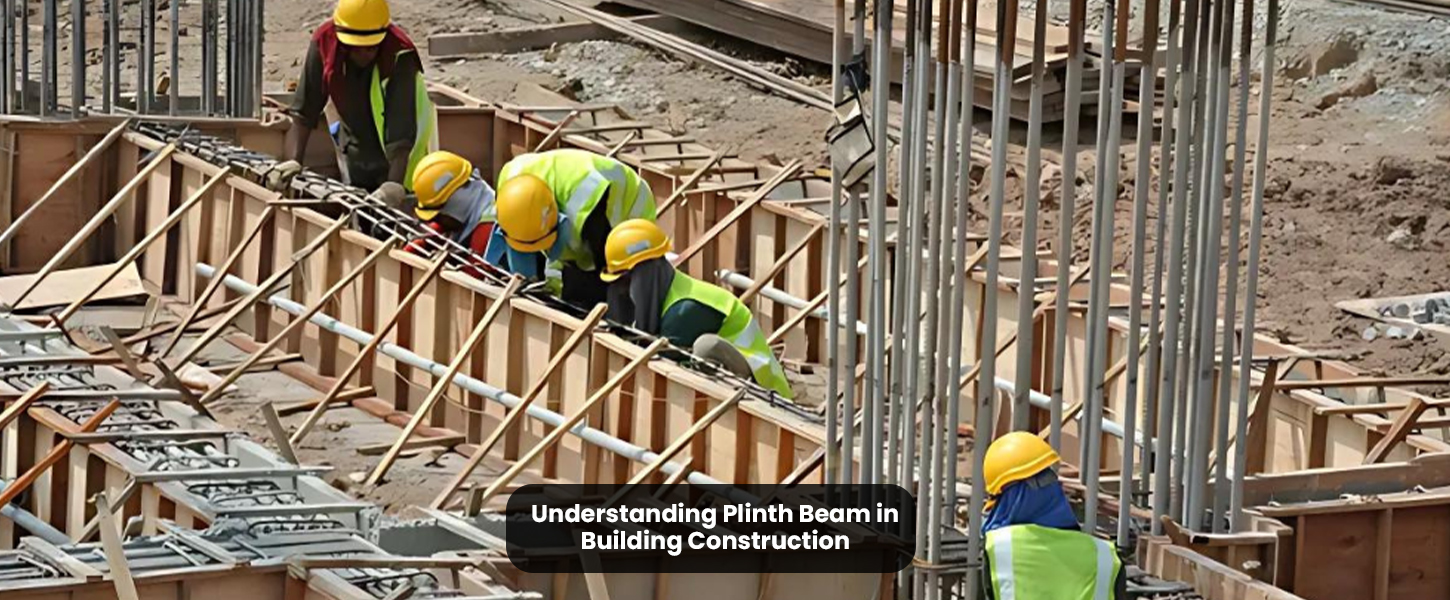

A strong foundation is crucial for ensuring a building’s durability and stability. A plinth beam is one of the essential components of foundation work, playing a key role in transferring the loads from the wall to the foundation. Understanding the importance of a plinth beam in construction is pivotal for a builder, architect, or homeowner. This article will explain the purpose of placement, size, and significance of the plinth beam.

A plinth is a reinforced concrete beam constructed between the foundation and the wall, usually just above ground level. It serves as a base to evenly distribute the structure’s load to the concrete foundation below. The plinth beam helps prevent differential settlement, ensuring the building remains structurally firm.
The plinth level refers to the height above ground level where the plinth beam foundation is positioned. It is the point where the superstructure starts, marking the transition from the foundation to the vertical walls. A well-constructed plinth level offers protection against ground moisture and minimizes the risk of cracks due to settlement.
Plinth beam size depends upon the building’s structural design and local requirements. The width of the plinth beam matches the thickness of the wall, while its depth ranges between 200mm to 450mm. The exact size of the plinth beam depends on the building’s load-bearing capacity, footing foundation, and concrete structures being built.
The plinth beam is placed at the plinth level above the footing concrete and foundation. It runs horizontally along the structure’s walls, connecting columns and providing lateral stability. The beam supports the masonry work, ensuring the walls are evenly aligned and stable.
| Aspect | Plinth Beam | Tie Beam |
| Position | Laid at the foundation level | Positioned higher up between columns |
| Purpose | Distributes load from walls to the foundation | Connects two columns to reduce buckling risk |
| Function | Stabilizes the foundation | Stabilizes the columns |
| Load Distribution | Primarily handles vertical loads | Primarily provides lateral stability |
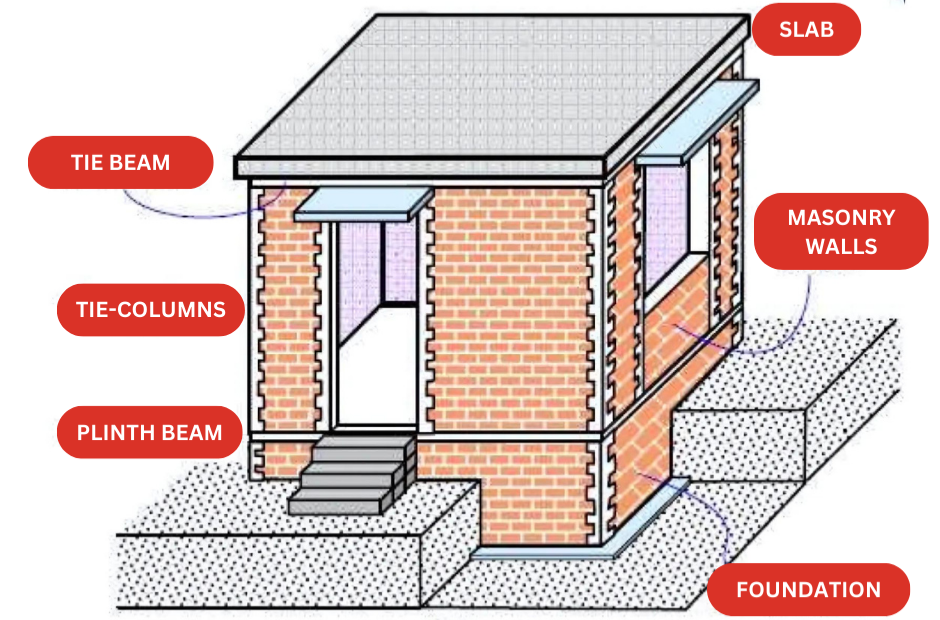
Image Source: Amtaargc
The materials required for constructing a plinth beam include:
The quality and proportions of these materials must meet construction standards to ensure the beam’s strength and durability.
Each step in the plinth beam construction process is critical to achieving a solid, durable foundation.
The Plinth Beam is an essential component in construction, providing key benefits for a building’s stability and longevity.
Key Purpose of a Plinth Beam:
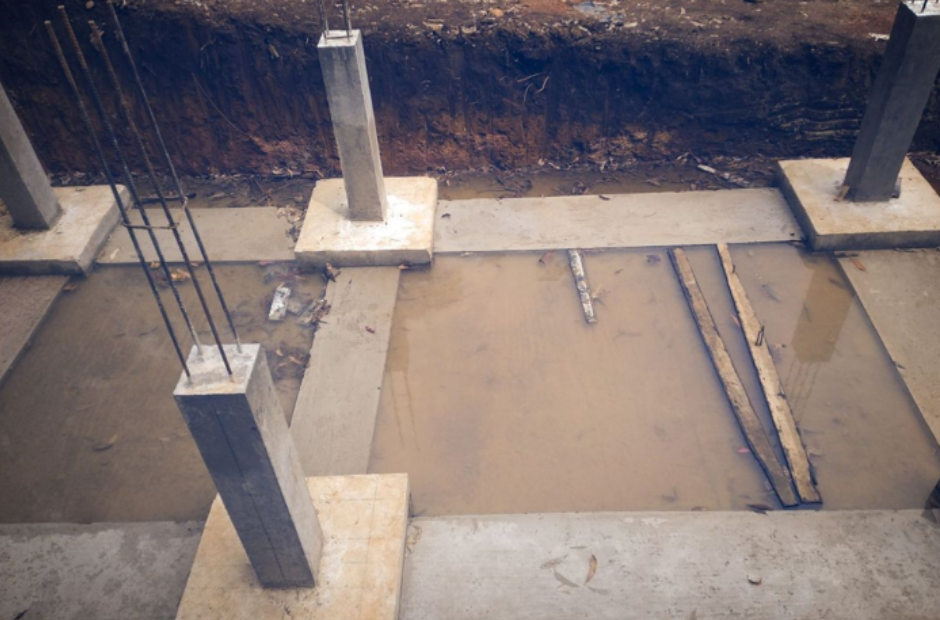
Image Source: Magic Bricks
The plinth beam is an integral construction component that significantly contributes to a structure’s stability and durability. The plinth beam prevents differential settlement and ensures even weight distribution by effectively distributing loads from the walls to the foundation. Its strategic placement at the plinth level safeguards against moisture and enhances the overall strength of the building. Additionally, understanding the proper materials and construction procedures involved in creating a plinth beam is essential for builders, architects, and homeowners alike. Investing in a well-designed plinth beam not only promotes structural integrity but also extends the longevity of the building, making it a vital consideration in any construction project.
Join 1000+ of fellow readers. Get expert real estate knowledge straight to your inbox absolutely free. Just enter your email address below.


Leave a Reply