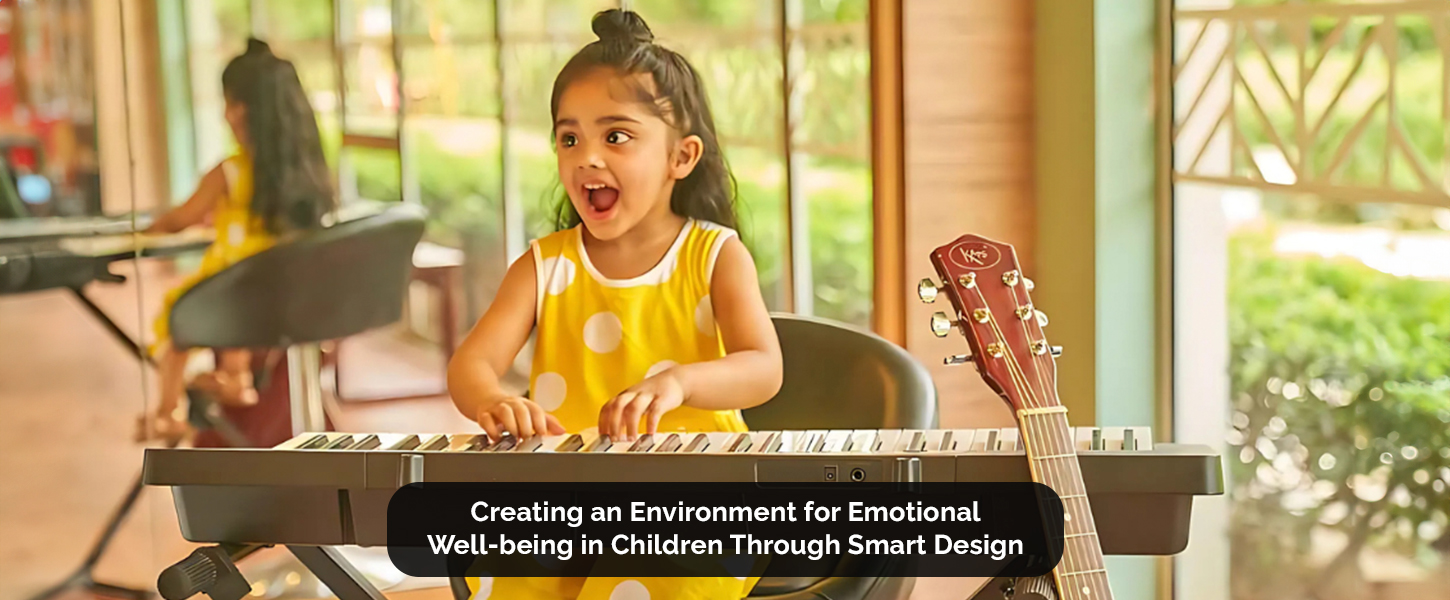

Children’s emotional well-being and overall development are shaped by the environment in which they grow up. While parents and caregivers often prioritize educational toys, books, and structured activities, they sometimes overlook the impact of design on children’s emotional well-being. The spaces where children live, play, and sleep play a significant role in influencing their mental and emotional growth.
This blog explores how smart home design can help create a nurturing environment that fosters emotional well-being in children and promotes their mental development. By understanding the power of interior design, we can actively support children’s emotional, psychological, and mental health by creating spaces.
Children’s emotional and mental health is foundational to their ability to learn, form relationships, and handle stress. Their experiences and surroundings during their formative years shape how they perceive the world and respond to challenges.
Ensuring a supportive home environment is critical to supporting children’s mental health. It is not just about providing safety and security; it’s about cultivating spaces that stimulate positive emotions, creativity, and a sense of belonging.
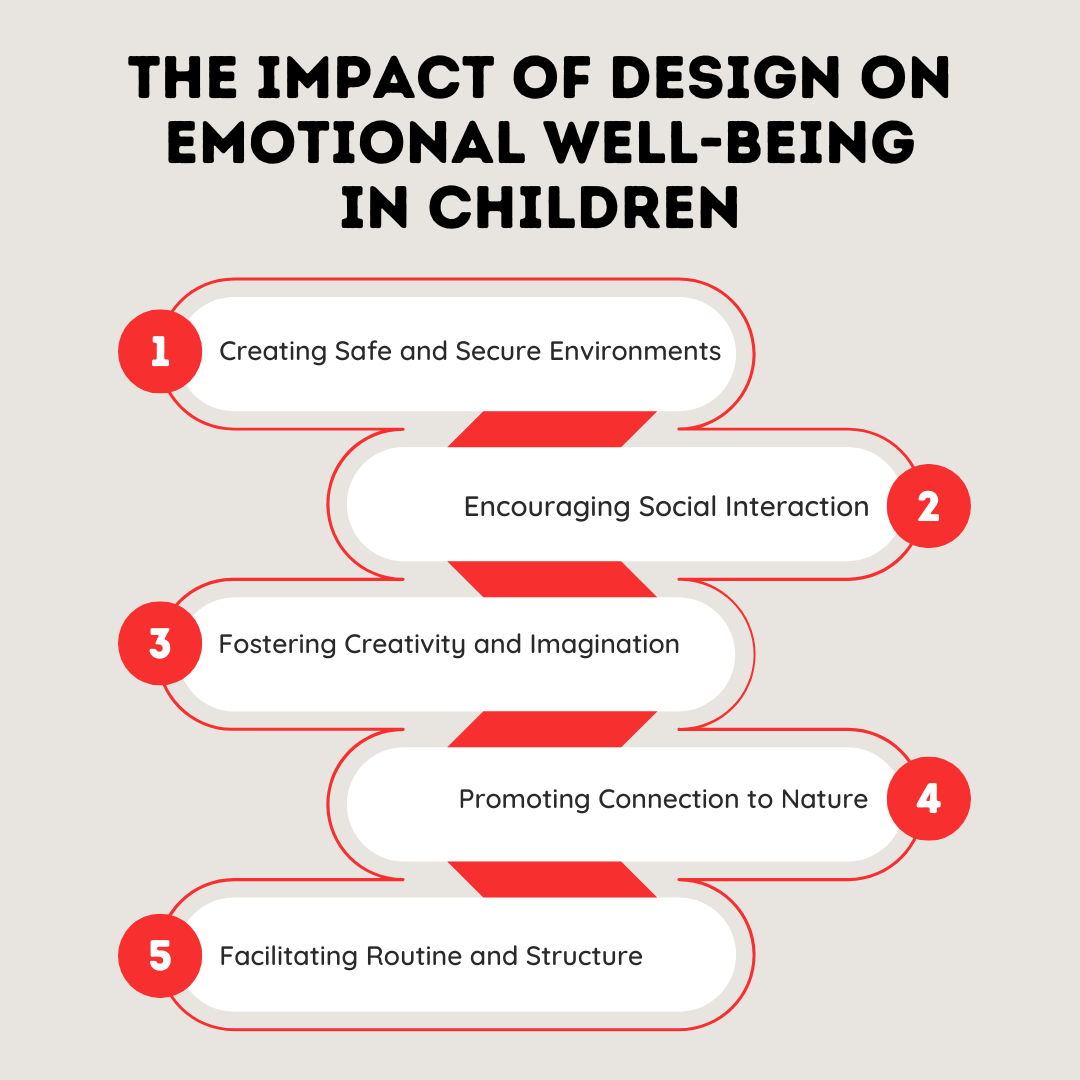
The interior design subtly yet profoundly influences how children feel and behave. Thoughtful design can promote relaxation, focus, and creativity, supporting emotional and mental development. Conversely, poorly designed or cluttered spaces can heighten anxiety, frustration, and stress in children, undermining their emotional health.
Parents can significantly enhance children’s emotional well-being by paying attention to colours, textures, lighting, and the general layout of a room. For example, soft colours like blue and green have calming effects, while natural light can improve mood and energy. Well-organized spaces also encourage feelings of safety and security, both crucial for a child’s development.
Smart home design is no longer just about gadgets and technology—it’s about using thoughtful, child-centred design principles that positively influence emotional and mental health. Here are some smart home design ideas that can contribute to your child’s well-being:
Colours have a direct impact on mood and emotions. Soft, neutral colours or pastels, such as blue, green, and warm beige, have been found to soothe and calm children. These colours help create a peaceful atmosphere, essential for maintaining emotional balance and reducing anxiety.
Children thrive when given spaces dedicated to play and creativity. Designating a specific corner of the house for imaginative play, art, and music can significantly enhance creativity while providing emotional outlets. Such zones should have adequate light, child-safe materials, and room for children to express themselves freely.
Clutter can increase anxiety and create a sense of chaos in a child’s mind. Organised, decluttered spaces with intelligent storage solutions help create an environment where children feel more in control and less overwhelmed. It encourages focus and mental clarity, promoting better emotional health.
Introducing elements from nature, such as plants, natural light, and wooden textures, helps create a soothing and grounding atmosphere. Nature-inspired design promotes relaxation and a connection with the environment, positively affecting child mental health.
Sleep is directly linked to emotional well-being. A well-designed, cosy bedroom with soft fabrics, gentle lighting, and appropriate bedding helps improve sleep quality. Creating an optimal sleeping environment directly supports your child’s physical and emotional growth.
Creating a child-friendly home doesn’t have to be overwhelming. Here are some key steps to make a smart home that supports your child’s emotional and mental development:
Lighting affects mood and energy levels. Consider using adjustable lighting systems that allow you to modify the intensity and warmth of lights depending on the time of day. Natural light during the day can lift mood, while softer lighting at night promotes relaxation and better sleep.
Furniture designed with flexibility in mind grows with your child. Choose pieces that can be easily rearranged or repurposed as your child’s needs evolve. Ergonomic desks and chairs that encourage proper posture can also help improve focus and reduce stress.
A child’s physical health directly impacts their emotional health. Ensure your home has spaces for active play. Consider adding a small indoor climbing wall, soft mats, or smart interactive gaming systems that encourage physical activity.
The environment a child grows up in is a critical factor in their emotional development. Thoughtful design can provide emotional security, encourage mental stimulation, and foster creativity, helping children navigate their emotions and challenges. By following smart home design for a child’s mental development, you can make your home a sanctuary that nurtures emotional well-being.
Designing a home that promotes emotional well-being in children is about more than aesthetics; it’s about creating spaces that cater to their mental and emotional health. From soothing colours and organised spaces to play zones and sensory experiences, every design decision can impact your child’s well-being. As you plan your next home renovation or upgrade, consider how the environment you create can support your child’s emotional development, helping them grow into happy, confident individuals.
By incorporating these ideas, you will create a beautiful home and lay the foundation for your child’s mental and emotional well-being, which is invaluable for their future.
Join 1000+ of fellow readers. Get expert real estate knowledge straight to your inbox absolutely free. Just enter your email address below.


Leave a Reply