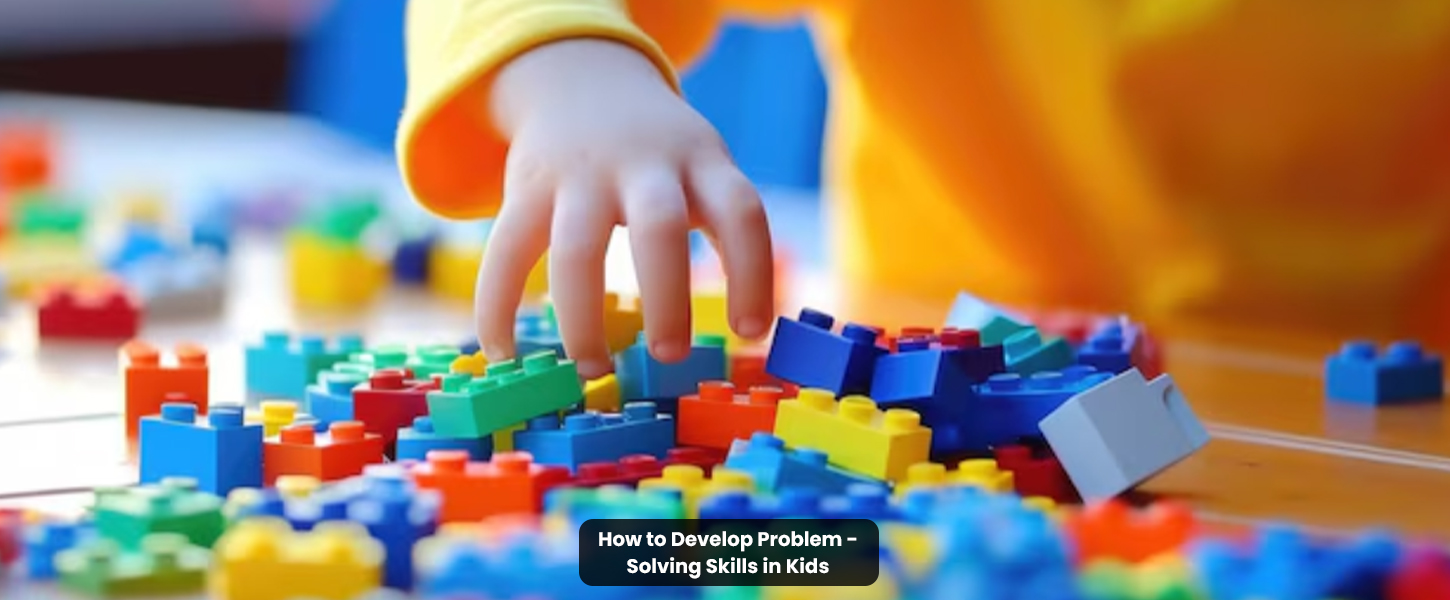

In today’s dynamic world, problem-solving is an essential life skill that enables children to navigate challenges, make informed decisions, and succeed. Developing this skill at an early age fosters independence and builds resilience and confidence in children. Here are some effective strategies for nurturing problem-solving skills in children.
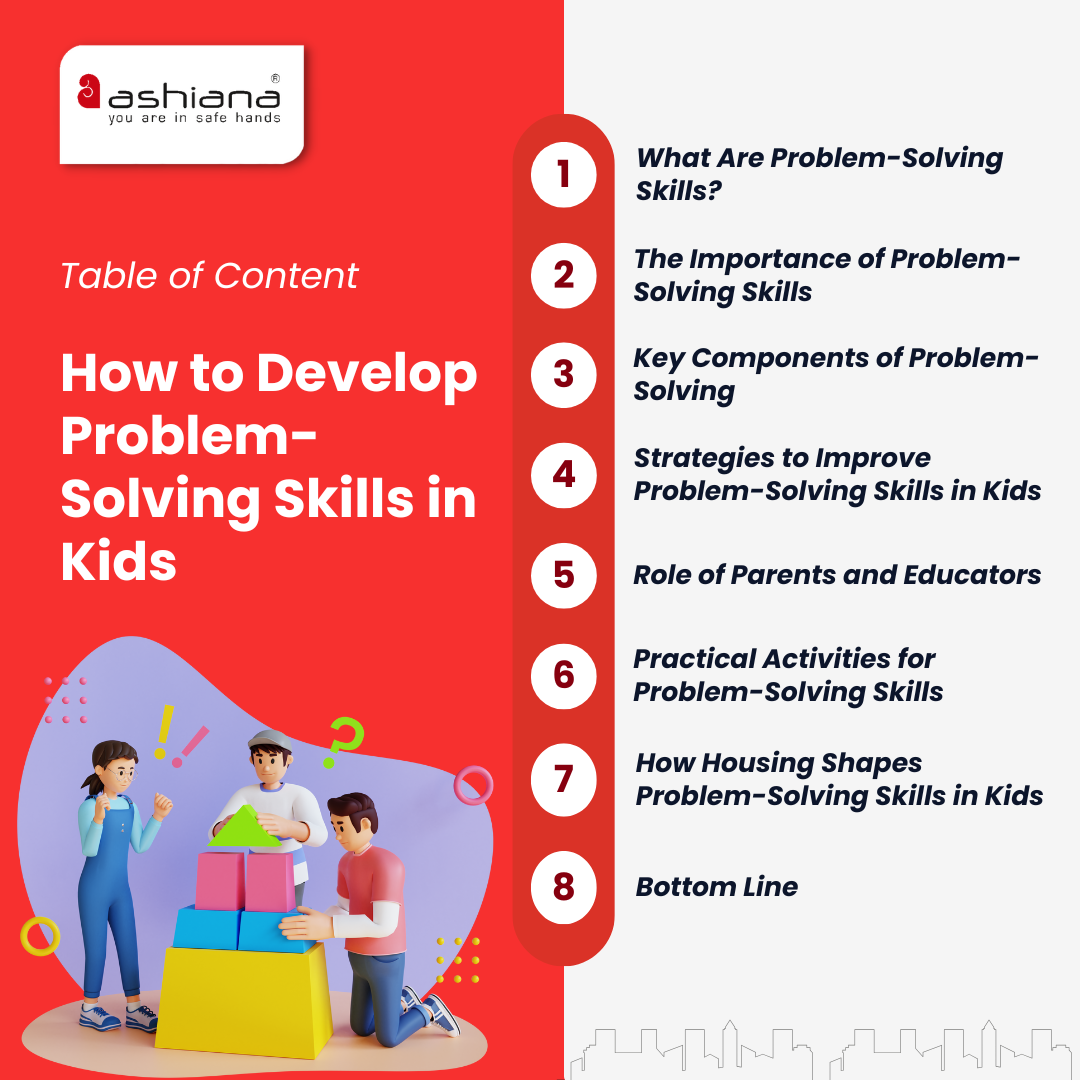
Problem-solving skills are the abilities that help individuals identify challenges, analyze situations, and develop practical solutions. These skills encompass critical thinking, creativity, decision-making, and resilience. For kids, problem-solving skills are foundational for managing conflicts, completing tasks, and navigating real-life scenarios with confidence and adaptability.
Problem-solving skills are crucial for a child’s overall development. They enable kids to handle everyday challenges, adapt to new situations, and develop critical thinking. These skills also lay the foundation for academic success and personal growth, preparing them for future responsibilities.
Effective problem-solving involves several key components, including:
Children are naturally curious, and fostering this trait can significantly enhance their problem-solving abilities. Encourage them to ask questions about the world around them and seek answers. Provide opportunities for exploration through books, experiments, and interactive activities that stimulate their inquisitive minds.
Mistakes are an integral part of learning. Create a supportive environment where kids feel safe to try new things, even if they fail. Teach them that failure is not a setback but a stepping stone toward success. This approach helps build a growth mindset, enabling them to view challenges as opportunities.
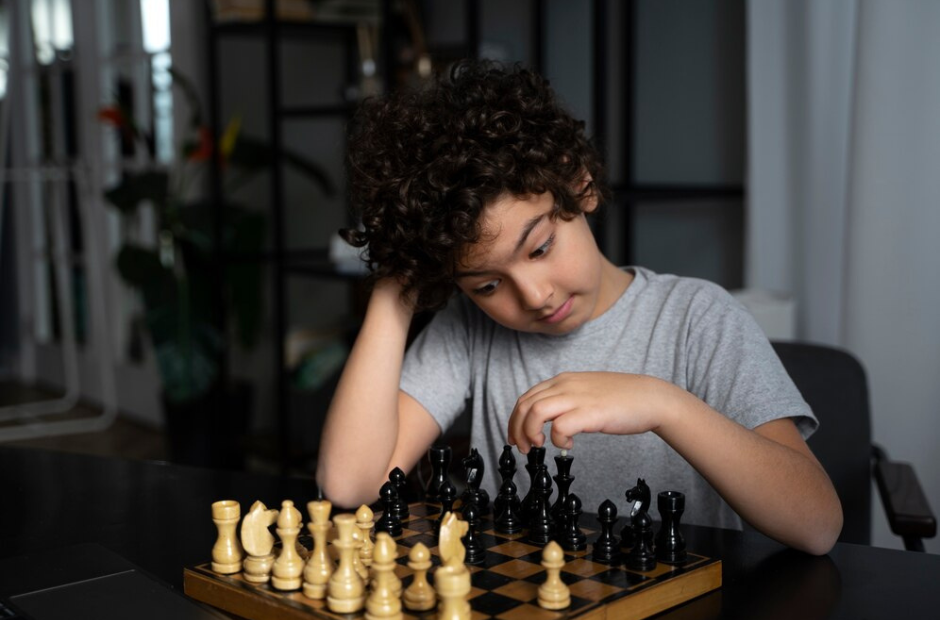
Puzzles, riddles, and strategy-based games are excellent tools for developing problem-solving skills. Activities like jigsaw puzzles, Sudoku, and board games like chess encourage critical thinking, planning, and decision-making.
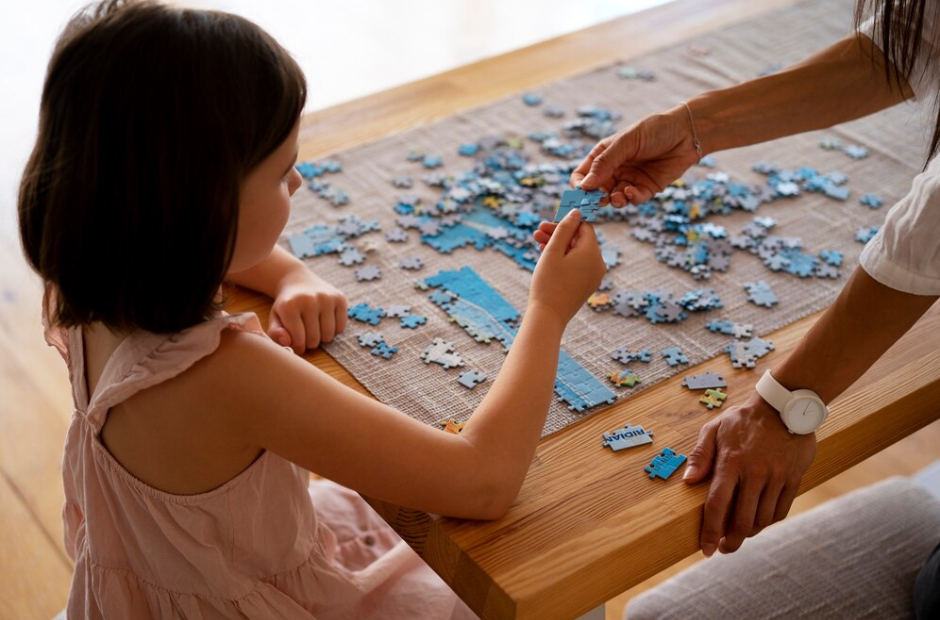
Effective communication is key to understanding and resolving problems. Encourage kids to express their thoughts and feelings openly. Teach them to articulate their situation, analyze it, and brainstorm possible solutions.
Guide children through the decision-making process by presenting them with choices. For instance, involve them in simple decisions like planning a weekend activity or selecting a meal. Discuss the pros and cons of each option, helping them understand the importance of weighing the consequences.
Parents and educators play a vital role in shaping a child’s ability to solve problems effectively. They provide the foundational guidance and environment for developing these essential skills. They demonstrate how to approach challenges methodically and confidently by modeling problem-solving behaviors in everyday situations. For instance, when adults share their thought processes while resolving a problem, children learn to analyze issues critically and explore possible solutions.
In addition to serving as role models, parents and educators can instill confidence by offering opportunities for children to take on challenges independently while providing encouragement and support. When children feel empowered to tackle problems, they develop resourcefulness and the ability to adapt to new situations.
The environment in which children grow up plays a significant role in shaping their problem-solving abilities. Kid-centric housing communities, like those developed by Ashiana Housing, provide ample opportunities for creative exploration and social interactions. Features such as interactive play areas, educational workshops, and collaborative spaces encourage children to engage in activities that require teamwork and critical thinking.
One of Ashiana Housing’s standout initiatives is its Live and Learn Program, designed to provide children with a well-rounded learning experience. This program focuses on experiential learning through various activities such as arts and crafts, team games, and knowledge-building workshops. Participating in these activities helps children develop critical problem-solving skills, creativity, and social interaction in a supportive environment. Ashiana communities’ safe and nurturing atmosphere ensures kids can explore, experiment, and become confident individuals.
Developing problem-solving skills in kids is a gradual process that requires patience, encouragement, and practice. By nurturing curiosity, fostering creativity, and providing real-life opportunities, parents and educators can equip children with the tools to face challenges confidently and succeed. Start early, and watch your child grow into a resourceful and resilient individual.
Join 1000+ of fellow readers. Get expert real estate knowledge straight to your inbox absolutely free. Just enter your email address below.


Leave a Reply