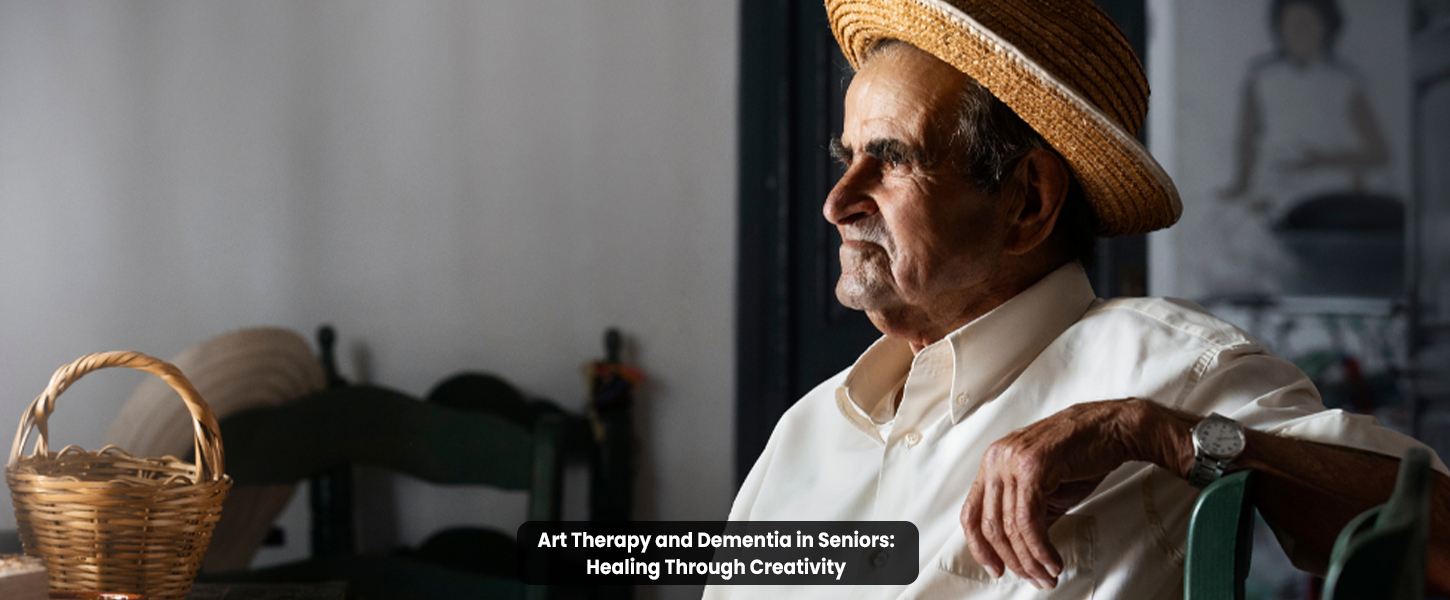

Dementia is a challenging condition that affects millions of seniors worldwide, causing memory loss, cognitive decline, and emotional distress. While medical treatments can help manage symptoms, alternative therapies like art therapy have emerged as powerful tools for improving the quality of life for individuals with dementia. Art therapy provides seniors with a creative outlet to express themselves, reduce anxiety, and even reconnect with lost memories.
Dementia is an umbrella term for conditions like Alzheimer’s disease and vascular dementia, which lead to progressive cognitive decline. Symptoms often include memory loss, confusion, difficulty with language, and changes in mood or behavior. As dementia progresses, communication can become difficult, leaving seniors feeling isolated and frustrated. This is where art therapy steps in—offering a non-verbal way to express emotions, engage the brain, and stimulate meaningful interactions.
Art therapy is a structured form of creative expression guided by a trained therapist or caregiver. It incorporates activities such as painting, drawing, sculpting, and collage-making to help individuals channel their emotions and exercise their cognitive abilities. Unlike traditional art classes, the focus is not on creating a masterpiece but on the process of making art, which can be incredibly therapeutic.
Art therapy has been recognized for its numerous benefits in dementia care, including:
Engaging in artistic activities activates different parts of the brain, including those responsible for memory and problem-solving. While dementia affects short-term memory, many seniors retain long-term memories. Art therapy can sometimes help retrieve these memories through familiar colors, patterns, and themes.
Seniors with dementia often struggle to communicate their feelings, leading to frustration and withdrawal. Art provides a safe space to express emotions without the need for words. A simple painting or sculpture can reflect joy, sadness, or nostalgia, helping caregivers and family members understand their loved ones better.
Dementia can cause restlessness, irritability, and even aggression. Art therapy promotes relaxation by focusing the mind on a calming activity. The repetitive motions of painting or coloring can have a meditative effect, reducing stress and agitation.
A dementia diagnosis can make seniors feel like they are losing their sense of identity. Creating something tangible—a painting, a drawing, or a handmade card—gives them a sense of accomplishment and pride. Even if they don’t remember making the artwork later, the positive emotions experienced during the process linger.
Art therapy sessions in group settings help seniors interact with peers, caregivers, and family members. This social engagement is crucial in combating loneliness and depression, which are common among individuals with dementia.
Not all art activities are suitable for seniors with cognitive impairments. Here are some dementia-friendly activities:
Using brushes, sponges, or even fingers to paint allows free expression. Watercolors are particularly effective since they don’t require precision and blend beautifully.
Cutting and pasting colorful images from magazines or family photos onto a canvas can evoke memories and spark conversations.
Molding clay helps improve motor skills and provides a sensory-rich experience that can be soothing.
Encouraging seniors to create simple illustrations based on a story or personal experience can stimulate memory and creativity.
Adult coloring books designed for dementia patients use larger images and simpler designs, making them easy to enjoy.
Caregivers play a crucial role in making art therapy effective. Here’s how they can create a positive experience:
Art therapy is a lifeline for seniors living with dementia. It taps into their creativity, emotions, and memories, offering moments of joy and connection. Whether done in a professional setting or at home with loved ones, it has the power to transform lives.
At Ashiana Senior Living, we recognize the importance of holistic wellness for our residents. Our vibrant community provides a nurturing environment where seniors can engage in enriching activities like art therapy. With expert care and thoughtfully designed programs, we help seniors live fulfilling and meaningful lives, fostering joy and connection in every moment.
Join 1000+ of fellow readers. Get expert real estate knowledge straight to your inbox absolutely free. Just enter your email address below.


Leave a Reply