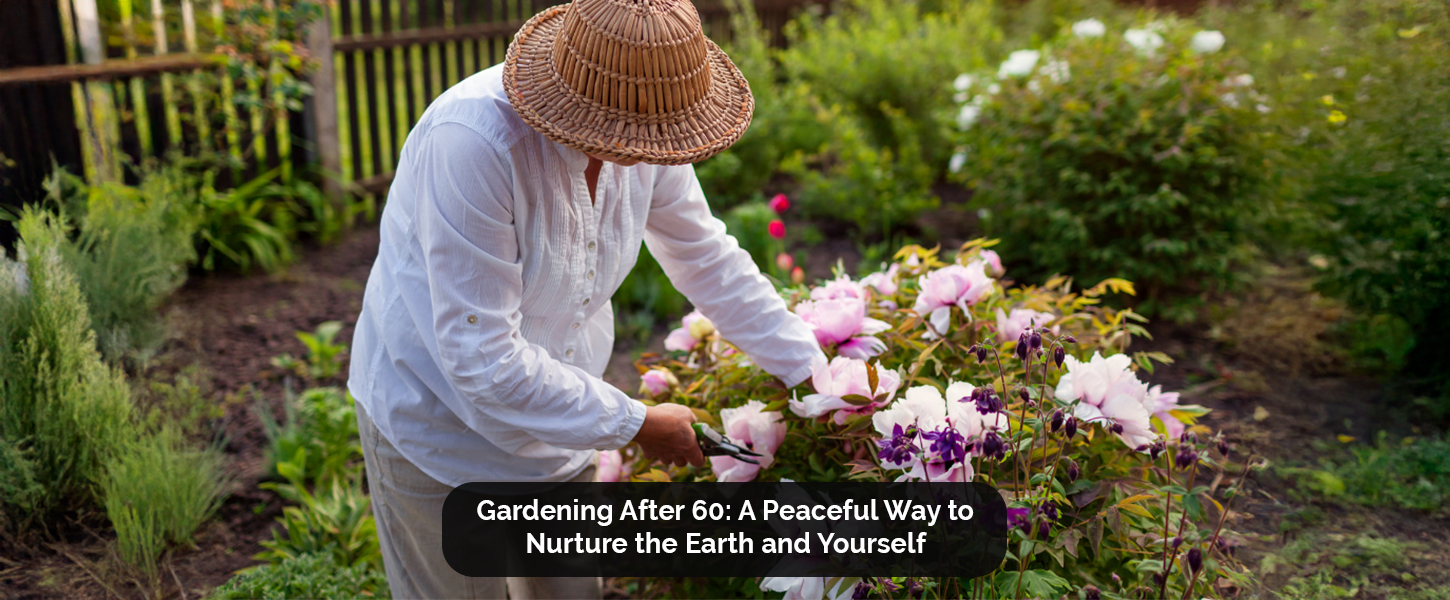

There’s something quietly powerful about watching life take root from your own hands. A tiny seed unfurling into a tomato vine, a marigold opening up to the morning sun, a patch of herbs scenting the entire balcony with their earthy aroma. For many people over 60, gardening is a gentle return to nature, a way to feel grounded, purposeful, and alive.
Life after 60 often brings with it a shift in pace. The deadlines are fewer, the phone rings a little less, and there’s more time to sit with yourself. Gardening, in its slow and tender way, becomes a mirror to this phase. It invites you to slow down without feeling idle. It offers physical activity without being harsh on your joints. Most importantly, it offers emotional nourishment, a sense of purpose and patience that is often hard to find elsewhere.
In a garden, everything has its time to sprout, bloom, wither, and rest. Isn’t that something we begin to understand more deeply as we age?
Scientific studies back what many senior gardeners already know in their bones: gardening is healing. It reduces cortisol (the stress hormone), improves hand strength and mobility, and even sharpens cognitive function. But more than that, it quiets the mind. It teaches acceptance. You can’t rush a flower into bloom. You can’t control the rain. What you can do is show up — water gently, prune wisely, and trust the process.
For those coping with grief, retirement blues, or loneliness, a small garden can become a trusted companion. It doesn’t judge, doesn’t demand. It simply grows with you.
If you’re just starting out or returning to gardening after years, remember: it doesn’t have to be big or elaborate. A few pots on a sunny windowsill, a vertical herb patch on your balcony, or a raised garden bed in the community space, it all counts.
Here are a few thoughtful choices that make gardening after 60 easier and more enjoyable:
Gardening clubs or community spaces can also provide a lovely social outlet. At Ashiana Senior Living, residents enjoy access to such thoughtfully designed green spaces, allowing them to stay connected to the earth and to one another.
One of the most beautiful parts of gardening after 60 is the idea of legacy. When you plant a sapling, you’re planting hope for your grandchildren, for the birds, for the air. Your little green space becomes part of something larger. You may no longer chase the clock, but you become deeply aware of seasons and what truly matters.
There’s a quiet joy in waking up, stepping outside, and seeing what’s changed: a new bud, a visiting bee, a leaf turning its face toward the sun. In a world that often tells us to speed up, gardening offers a tender rebellion: slow down, breathe, tend gently to the earth, and to yourself.
Join 1000+ of fellow readers. Get expert real estate knowledge straight to your inbox absolutely free. Just enter your email address below.


Leave a Reply