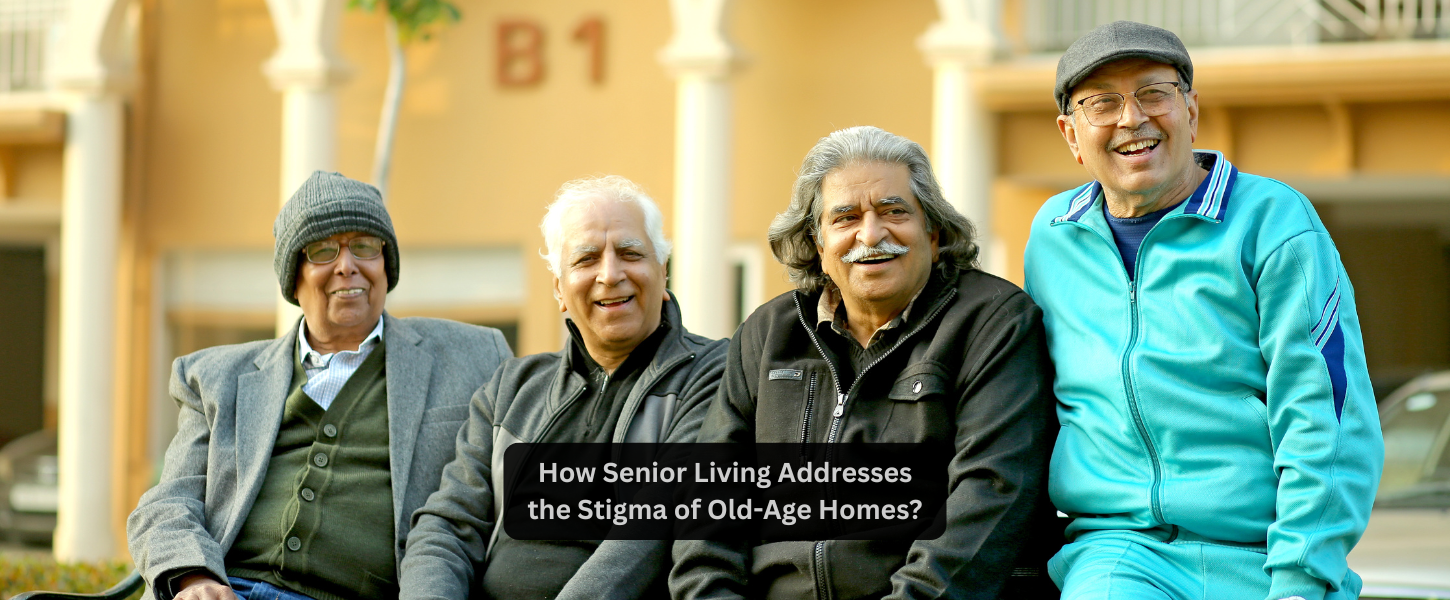

For many years, the phrase old-age home carried a sense of sadness. It brought to mind images of lonely rooms, isolation, and family abandonment. Part of this stigma stemmed from a lack of awareness, traditional expectations, and a narrow view of ageing.
Today, however, the idea of senior living is very different. It reflects choice, dignity, and a forward-looking view of later life. Rather than a last resort, senior living is becoming an empowering option for individuals seeking comfort, social connection, safety, and wellbeing as they age.
This shift has not happened by accident. It has been driven by thoughtful design, improved awareness, changing family structures, and a deeper understanding of what older adults truly want in their later years.
The stigma around old-age homes grew from a belief that living away from family is a sign of abandonment. In the past, limited options meant that older adults with limited support or health needs were moved into institutional settings.
These places were often more clinical than home-like, with little focus on lifestyle, comfort, or emotional support. That reinforced negative perceptions.
At the same time, cultural expectations in India emphasised multi-generational families. The idea of parents living separately from their children was seen by many as a loss of family cohesion rather than a personal lifestyle choice.
As society evolves, so do perceptions. Senior living now seeks to address stigma by presenting older adulthood as a phase of life shaped by independence, choice, and fulfilment.
Senior living is structured around thoughtful design that supports a variety of lifestyle needs. It goes beyond basic boarding and shelter. The focus is on how people live, not just where they live.
Design elements encourage mobility, safety, social interaction, and comfort. Living spaces are warm, accessible, and reflective of everyday life rather than institutional settings.
Residents can personalise their homes, engage in activities that matter to them, and maintain routines that give meaning to their lives. This design philosophy reshapes how aging is experienced and perceived.
When older adults live in environments that feel respectful and dignified, the idea of senior living is viewed positively rather than stigmatised.
Another powerful way senior living reduces stigma is by balancing independence with support. Most adults value autonomy. They want to make their own choices, control their daily routines, and continue familiar habits.
Senior living spaces today are designed to support this independence while ensuring help is available when necessary. This approach makes the transition feel like a lifestyle decision rather than a forced change.
When older adults move into a living environment for comfort, ease, and safety, the narrative changes. Independence becomes the focus, not loss of freedom.
Loneliness is often mistaken for an unavoidable part of aging. It does not have to be. Human beings thrive on connection, shared experiences, and meaningful interactions.
Senior living environments offer natural opportunities for interaction through common spaces, activities, wellness programmes, and shared experiences. Participation is optional so that social engagement feels natural and comfortable.
These interactions help older adults build friendships, pursue interests, and remain socially active without pressure. The result is a life that feels connected rather than isolated.
Social life in senior living shifts the narrative away from the stereotype of lonely old-age homes to a lifestyle filled with shared experiences and warm conversations.
Emotional well-being is essential to aging well. Many older adults experience emotional challenges when they feel their independence is threatened or when they fear becoming a burden.
Senior living helps address these concerns by offering an environment where emotional needs are recognised and respected. There are spaces for peaceful reflection, group gatherings, creative pursuits, and meaningful engagement.
These elements remind residents that aging is not an endpoint but a new chapter with opportunities for connection, learning, and enjoyment.
This focus on emotional health plays a key role in reducing stigma associated with ageing and living apart from family.
Safety remains a top concern for families and seniors alike. A safe environment should feel reassuring without being restrictive.
Senior living spaces provide safety measures, including accessible design, emergency response systems, trained staff, and health support when needed. These systems allow older adults to live confidently without feeling watched or controlled.
Ease of living is also enhanced through services that reduce daily burden, such as housekeeping, maintenance, and routine support.
When everyday life is smooth and safe, families feel reassured, and seniors feel secure, which further dismantles negative perceptions.
Families play a major role in how aging is viewed. When adult children see older parents thrive in a well-designed living environment, it changes perceptions.
Rather than associating separate living with abandonment, families start seeing senior living as a respectful and practical choice that supports quality of life.
Open conversation and awareness help families understand that choosing senior living does not mean turning away from family love. It means choosing an environment that supports wellbeing and independence.
A strong example of this modern perspective on aging is Ashiana Amodh, an upcoming senior living project in Pune. Located in a serene area yet well connected, Ashiana Amodh is designed to prioritise comfort, safety, and ease of everyday living.
The design supports accessible movement, calm spaces, and thoughtful living that respect personal routines. Wellness-oriented spaces, natural light, and peaceful surroundings help residents live with dignity and choice.
By offering a supportive, warm, and engaging living environment, Ashiana Amodh demonstrates that senior living can be a positive life decision rather than a response to necessity.
The stigma once associated with old-age homes is fading as senior living evolves into a lifestyle choice rooted in respect, independence, wellbeing, and design that honours individuality. By focusing on thoughtful design, natural social interaction, emotional support, safety, and ease of living, senior living spaces redefine what ageing means in India. Families and seniors together are viewing these living options as a respectful, empowering phase rather than a place of last resort. Modern structures like Ashiana Amodh illustrate how dignity and quality of life can flourish in environments built with care and understanding.
Join 1000+ of fellow readers. Get expert real estate knowledge straight to your inbox absolutely free. Just enter your email address below.


Leave a Reply