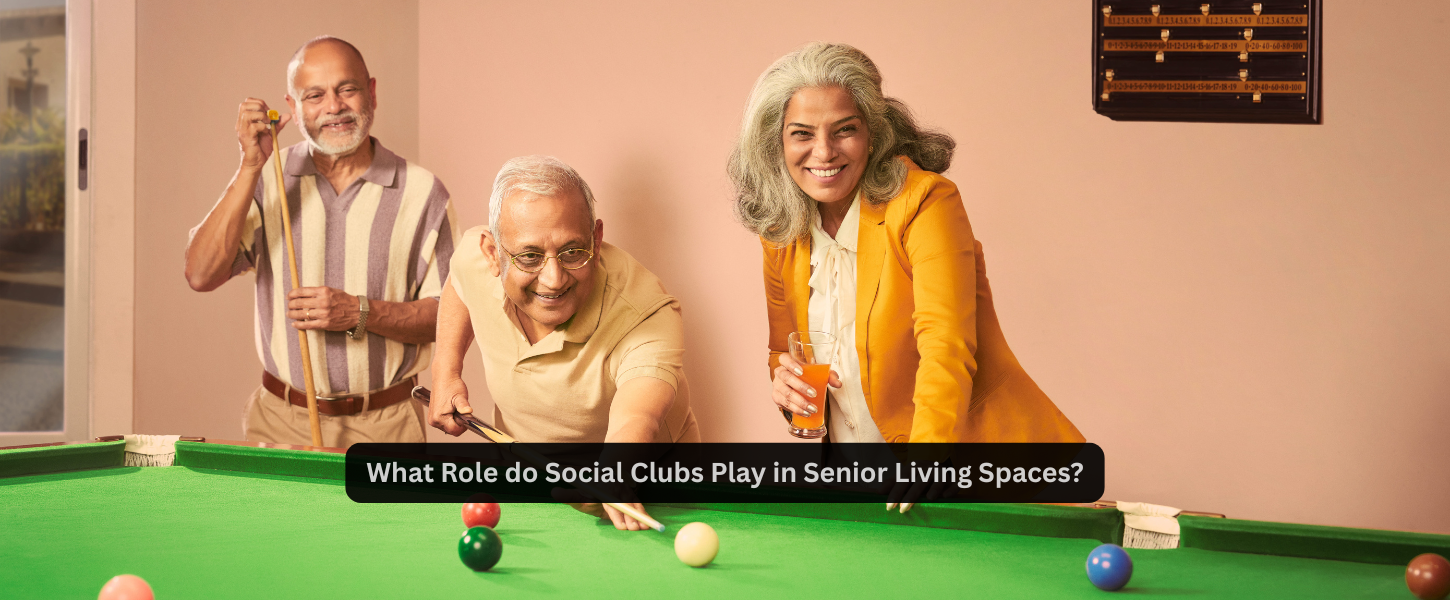

Aging brings changes to daily routines, responsibilities, and social circles. While physical comfort and safety are essential, emotional fulfilment often depends on something less visible but equally important- Human connection.
For many seniors, retirement can quietly reduce everyday interactions that once came naturally through work, neighbourhoods, or family routines. Social clubs within senior living spaces play a meaningful role in filling this gap. They offer structure, connection, and purpose without imposing obligation.
Beyond providing entertainment, social clubs help seniors stay engaged, mentally active, and emotionally balanced. They transform living spaces into places where relationships, shared interests, and everyday joy continue to grow.
Social interaction is closely linked to emotional and mental well-being. As people age, reduced interaction can lead to feelings of isolation, even when physical needs are met.
Social clubs provide opportunities to connect through shared interests rather than forced interaction. This makes engagement feel natural and comfortable.
Regular interaction supports emotional health, reduces loneliness, and helps seniors maintain a sense of belonging. Over time, these connections significantly contribute to the quality of life.
One of the strengths of social clubs in senior living spaces is the balance they offer. They introduce structure to daily life without making it rigid.
Scheduled activities such as reading sessions, music gatherings, hobby groups, or discussion circles give seniors something to look forward to. At the same time, participation remains voluntary.
This balance allows individuals to choose engagement based on mood, energy, and interest, which preserves independence and personal choice.
Mental engagement is essential for aging well. Social clubs offer activities that stimulate thinking, creativity, and curiosity.
Book discussions, games, storytelling sessions, or skill-based activities help keep the mind active. These interactions encourage learning, memory recall, and conversation.
Mental stimulation through shared interests also builds confidence and helps seniors feel mentally sharp and involved in everyday life.
Over time, regular interaction through social clubs helps seniors form meaningful bonds. Familiar faces and shared routines create emotional comfort.
These relationships often grow organically through repeated interaction rather than structured introductions. Seniors begin to look out for one another, share experiences, and celebrate everyday moments together.
This emotional support system becomes especially valuable during periods of adjustment or change.
After retirement, many seniors miss the sense of purpose that came from structured roles and responsibilities. Social clubs help fill this gap.
Leading a discussion, organising an activity, or mentoring others provides a renewed sense of contribution. Seniors feel valued not just as participants but as individuals with experience and insight. Purposeful engagement supports self-worth and emotional stability over the long term.
Not all seniors engage socially in the same way. Some enjoy active participation, while others prefer quieter interaction.
Well-planned social clubs recognise this diversity. They offer a range of activities that cater to different personalities and energy levels.
By respecting individual pace and preference, social clubs ensure that engagement feels inclusive rather than overwhelming.
Emotional resilience becomes increasingly important with age. Life changes such as health concerns, family transitions, or loss can affect emotional balance.
Social clubs provide a steady presence in daily life. Familiar routines and friendly interactions offer reassurance during uncertain times.
This emotional grounding helps seniors cope better with challenges and maintain a positive outlook.
Social engagement should enhance independence, not replace it. Social clubs in senior living spaces are designed to support choice rather than obligation.
Seniors decide when to participate, what interests them, and how much interaction they want. This autonomy reinforces independence while still offering connection.
Choice remains central to maintaining dignity and confidence.
The physical environment plays an important role in encouraging social interaction. Comfortable shared spaces, reading rooms, activity areas, and open seating invite conversation.
When spaces are designed to feel welcoming rather than formal, interaction happens naturally. Seniors are more likely to pause, converse, and spend time together.
Design that supports ease of movement also encourages participation without effort.
Families often worry about loneliness when parents live separately. Social clubs help ease these concerns.
Knowing that parents have opportunities for interaction, friendships, and purposeful engagement brings reassurance. Families feel more comfortable when they see seniors living socially enriched lives.
This reassurance strengthens trust in senior living choices.
Social clubs represent a shift in how senior living is perceived. They move away from the idea of passive care and toward active living.
By focusing on engagement, interests, and relationships, social clubs reflect a lifestyle-oriented approach to aging.
This shift helps break outdated perceptions and highlights senior living as a positive and empowering choice.
Ashiana Amodh, an upcoming senior living project in Pune, reflects this modern approach to social engagement. The planning of Ashiana Amodh includes thoughtfully designed spaces that encourage interaction through shared interests and everyday activities.
The environment supports clubs and gatherings that allow residents to connect at their own pace. Activities are designed to feel natural, engaging, and respectful of individual preferences.
By integrating social engagement into daily life, Ashiana Amodh supports emotional well-being while providing comfort and safety.
The benefits of social clubs extend beyond the early stages of senior living. Over time, they play a crucial role in sustaining emotional health, mental agility, and a sense of purpose.
As routines evolve and needs change, these clubs offer continuity and familiarity. They remain relevant across different stages of aging.
Long-term engagement through shared interests supports a richer and more fulfilling later life.
Social clubs play a vital role in senior living spaces by supporting emotional well-being, mental stimulation, and meaningful human connection. They provide structure without pressure, interaction without obligation, and purpose without demands. Through shared interests and everyday engagement, social clubs help seniors maintain independence while enjoying companionship and fulfilment.
Modern senior living spaces that integrate social clubs thoughtfully create environments where aging feels active, dignified, and emotionally supported. Projects like Ashiana Amodh demonstrate how social engagement can enrich daily life and redefine what senior living truly means.
Join 1000+ of fellow readers. Get expert real estate knowledge straight to your inbox absolutely free. Just enter your email address below.


Leave a Reply