
The Dwarka Expressway has quietly evolved from a planned infrastructure corridor into one of the most influential growth drivers in the NCR property market. Also known as NH-248BB, this 27-kilometre expressway is reshaping how people move between Delhi and Gurgaon, while simultaneously unlocking new residential and investment opportunities.
What makes this corridor especially significant is not just its scale, but the way it has been planned, keeping long-term urban growth, daily commuting needs, and real estate demand firmly in focus.
Unlike older highways that expanded reactively, Dwarka Expressway, Gurgaon has been designed as a future-ready alternative to the heavily congested NH-8. With wide carriageways, multiple lanes, and signal-free stretches, it aims to support rising traffic volumes without compromising travel efficiency.
Once fully operational, daily commuters can expect smoother traffic flow, reduced bottlenecks, and predictable travel times, an essential factor for working professionals and families alike.
One of the biggest reasons Dwarka Expressway, Gurgaon has gained attention is its strategic connectivity to key destinations.
For residents, this translates into shorter commutes and better work–life balance. For businesses, it means improved accessibility and logistics efficiency.
Dwarka Expressway is more than a roadway; it is a well-planned urban corridor built for long-term sustainability, efficient mobility, and seamless integration with future residential, commercial, and civic development.
Its signal-free design, service roads, green buffers, and advanced drainage ensure smooth traffic flow, environmental balance, and reliable performance as population density and daily commuting demands continue to rise.
Over the past few years, real estate on the Dwarka Expressway has transitioned from an “upcoming” market to a well-established residential zone. This shift is largely driven by infrastructure progress and increasing buyer confidence.
The corridor is witnessing premium mid- and high-rise apartments, gated communities with lifestyle amenities, and relatively low-density planning, complemented by growing commercial and retail spaces that together form a balanced, self-sustained urban ecosystem.
For end-users, flats on the Dwarka Expressway, Gurgaon, offer a rare combination of connectivity, planning, and lifestyle comfort.
This balance makes the corridor particularly appealing for families looking to upgrade from older city neighbourhoods.
As the corridor matures, buyer preferences are shifting from just location to overall livability. Well-planned residential communities that focus on open spaces, safety, and everyday usability are increasingly preferred.
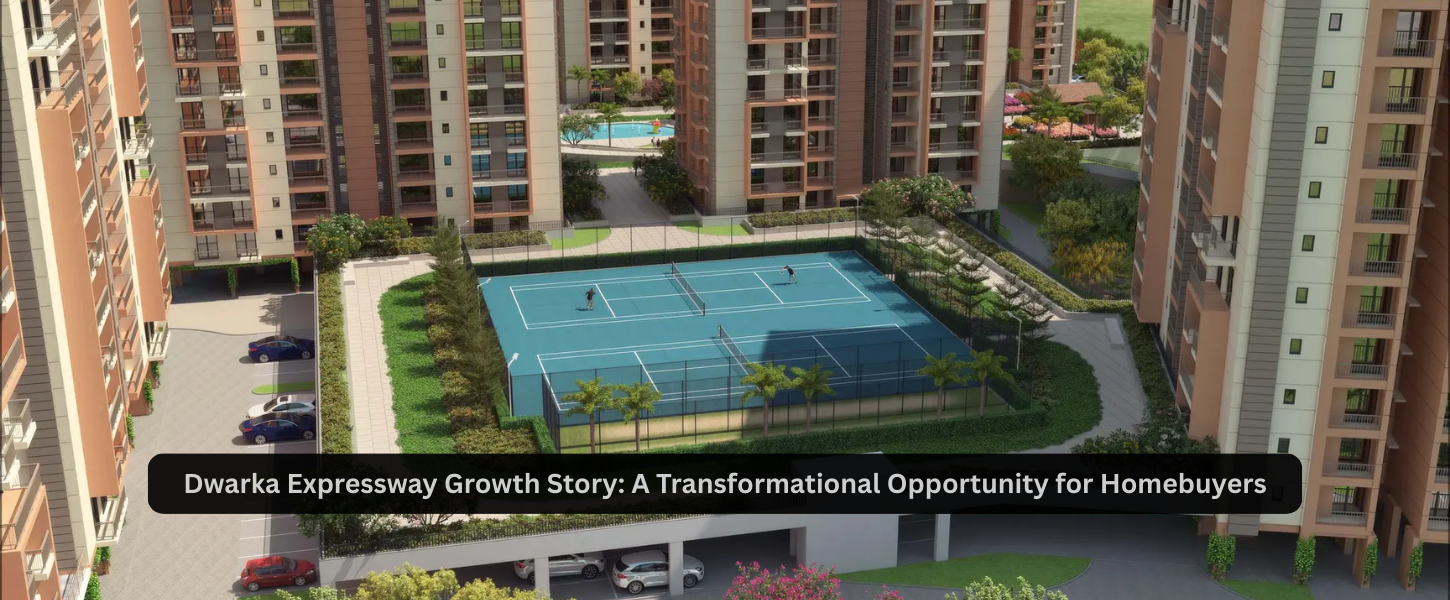
This approach can be seen in developments by Ashiana Housing, where community design and long-term resident needs take precedence. Projects such as Ashiana Aaroham reflect how residential planning along Dwarka Expressway is moving beyond density toward more balanced, family-oriented living environments.
Whether purchasing for self-use or investment, buyers should assess a few critical factors before finalising a property.
Careful evaluation ensures that buyers benefit from the corridor’s growth without compromising on daily convenience.
The Dwarka Expressway growth story is fundamentally about planned urban expansion done right. Strong connectivity, future-ready infrastructure, and thoughtfully designed residential developments have transformed this stretch into a preferred destination for both homebuyers and investors.
As Gurgaon continues to evolve, Dwarka Expressway properties are set to play a defining role in shaping how the city grows, offering not just better travel but a more structured and sustainable way of living in the NCR.
Join 1000+ of fellow readers. Get expert real estate knowledge straight to your inbox absolutely free. Just enter your email address below.


Leave a Reply