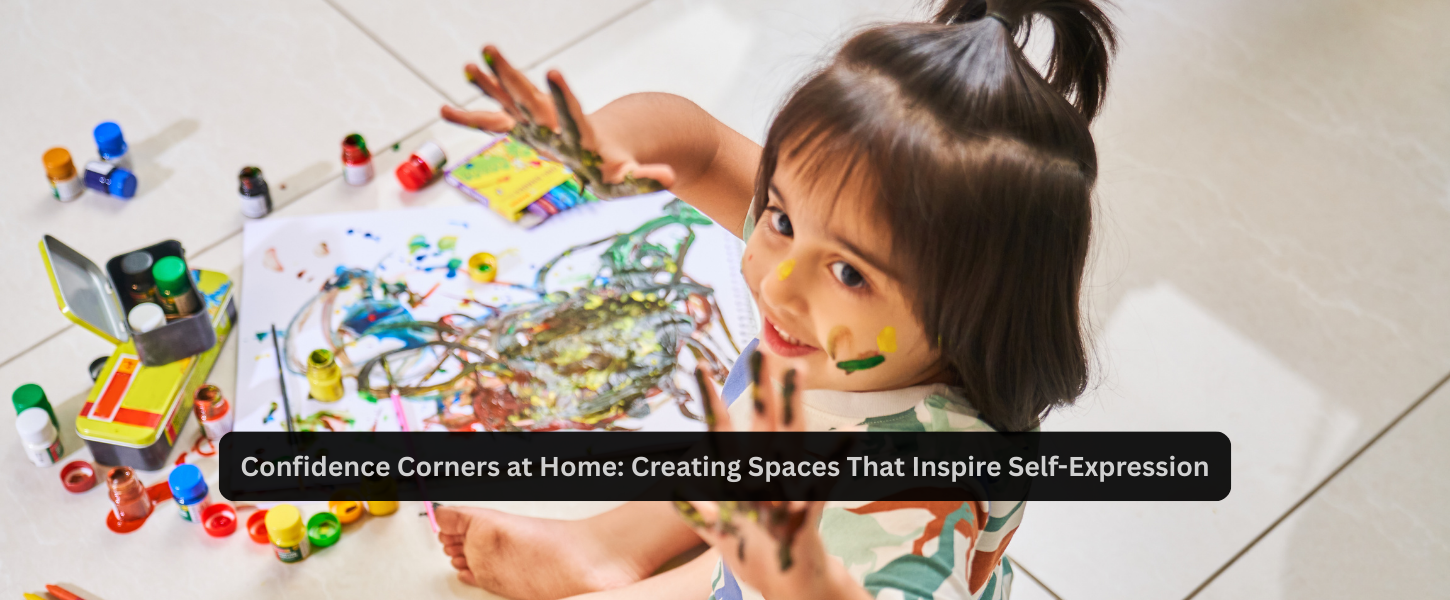

When parents think about choosing a home, the first questions often revolve around safety, schools, and daily convenience. But there’s another important aspect that quietly shapes a child’s growth, the environment inside the home itself. Children naturally look for spaces where they can explore their thoughts, hobbies, and creativity. This is where self-expression becomes an essential part of home life. Simple design ideas like creative corners, reading nooks, or small activity zones can transform an ordinary house into an inspiring home for young minds.
In modern family-focused communities, homes are increasingly being designed to support children’s emotional, social, and creative development.
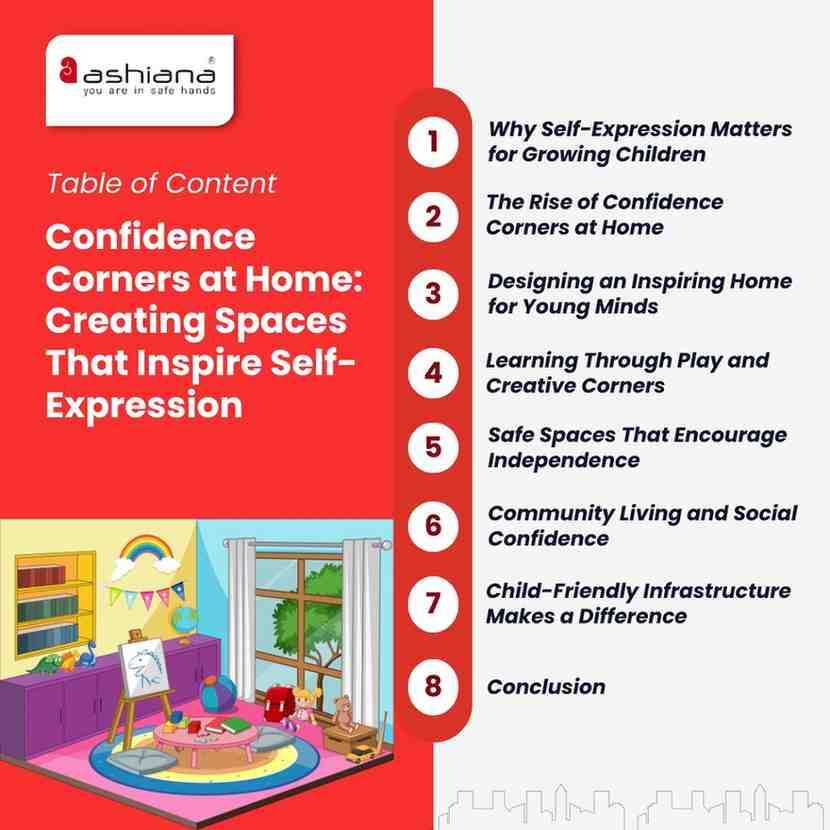
Children explore the world by expressing themselves through drawing, building, storytelling, and play. When homes offer space for creativity, kids feel encouraged to share ideas and interests. Even a small corner with books or art supplies can nurture learning, helping children build confidence, emotional intelligence, and stronger communication within families.
Many parents today are embracing the idea of confidence corners at home, dedicated spaces where children can express themselves freely. These areas don’t need to be large or elaborate. A small desk by a window, a cozy reading corner, or a wall where children can display their artwork can make a big difference.
Such creative corners give children a sense of ownership. When kids have a space they can personalize, it helps them feel valued and encourages them to pursue their interests more actively.
A truly inspiring home blends functionality with imagination, considering how children experience their surroundings. Natural light, open layouts, and flexible spaces encourage exploration and learning. Thoughtful home design elements like study corners, hobby tables, or display boards quietly nurture curiosity, creativity, and confidence in a child’s everyday environment.
Play is one of the most natural ways children learn and explore the world. When homes include spaces designed for play, they encourage curiosity, creativity, and experimentation.
How creative play spaces support children’s development:
Children thrive when they feel safe but also independent. A well-designed home gives them the freedom to explore without constant restrictions. Safe play areas, open indoor spaces, and thoughtfully designed corners allow kids to experiment and learn without fear. Parents can supervise while still giving children room to grow.
In many family-focused residential communities, developers now prioritize such child-friendly environments. Such developments are recognized by Ashiana Housing who emphasize open play areas and activity spaces that support children’s independence and creativity.
Beyond the home, the surrounding community plays an important role in shaping a child’s personality. Family-oriented neighborhoods with parks, play areas, and shared spaces encourage interaction and friendships. Such environments nurture social self-expression, helping children develop teamwork, empathy, communication skills, and a balanced, engaging childhood.
Modern housing developments are increasingly designed with children in mind. Kid-centric homes now go beyond basic amenities, focusing on spaces that support learning, play, and exploration. Features like dedicated play areas, open green lawns, walking paths, and activity zones encourage children to stay active while enjoying a safe and engaging environment.
Such thoughtfully planned communities help children interact, build friendships, and develop important life skills. When residential spaces are designed around the needs of families and young residents, they create an environment where children can grow with confidence, curiosity, and a strong sense of belonging.
A home is more than just a living space; for children, it is where they first explore interests, share ideas, and build confidence. Creating confidence corners with reading nooks, art walls, or activity tables can nurture creativity and independence. As families prioritize holistic development, homes that support self-expression are becoming central to modern home design.
Join 1000+ of fellow readers. Get expert real estate knowledge straight to your inbox absolutely free. Just enter your email address below.


Leave a Reply