
When parents choose a home for their family, they usually think about schools, safety, and daily convenience. But another factor quietly shapes a child’s growth, the environment where they interact, play, and build friendships every day. The spaces children grow up in influence how they communicate, collaborate, and develop confidence.
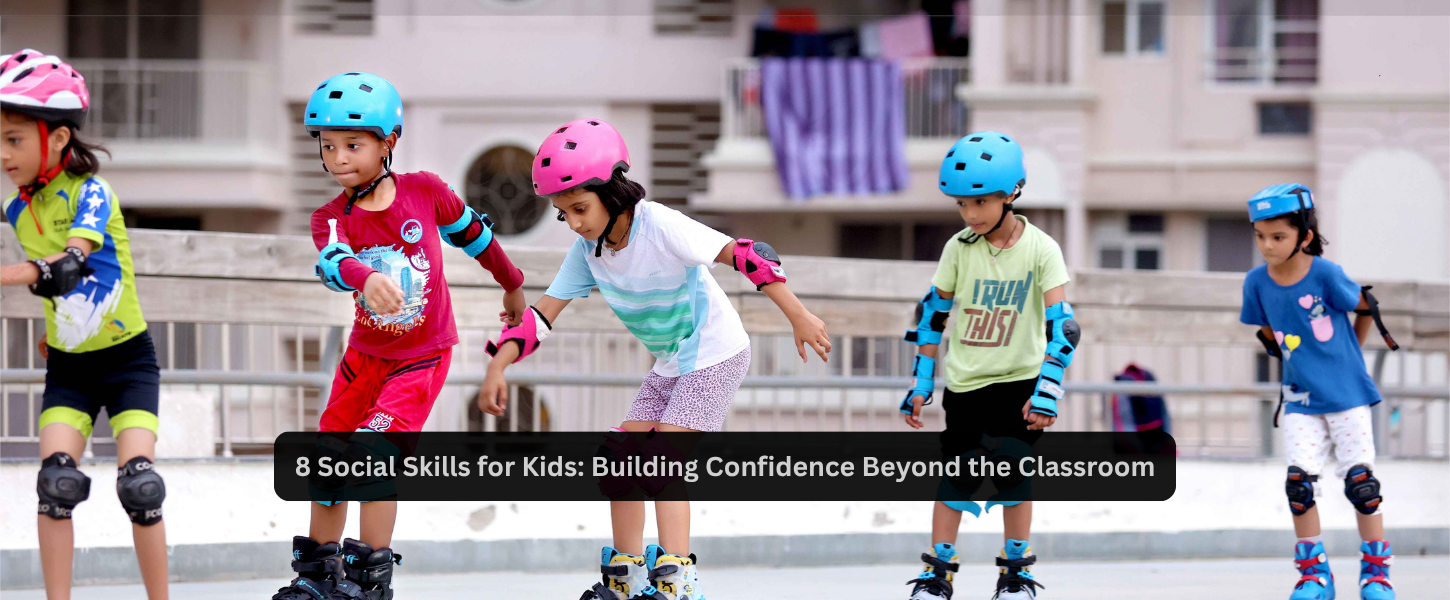
Strong social skills for kids are not built only inside classrooms. They grow through everyday experiences like playing with neighbours, sharing spaces, and participating in group activities. These moments contribute significantly to social development, helping children develop empathy, teamwork, and communication abilities.
Today, many modern residential communities are designed with this idea in mind. Kid-centric homes focus on creating safe and interactive environments where children can learn social skills naturally through play, friendships, and shared experiences.
Childhood is the stage where personality and behavior patterns begin to take shape. When children interact with peers, they learn how to communicate their ideas, respect others’ opinions, and navigate social situations. Developing social skills for kids helps children become more comfortable in group environments. These experiences support child personality development while also strengthening emotional intelligence.
Children who build strong social abilities early often show better adaptability, stronger friendships, and improved confidence as they grow older.
Listening is one of the most important communication skills for children. When children learn to listen attentively, they understand instructions better and respond more thoughtfully in conversations.
Active listening also teaches patience and respect. Whether it’s during playtime or classroom discussions, children who listen well develop stronger connections with others.
This skill also plays an important role in social development, helping children participate meaningfully in conversations and group activities.
Sharing is often one of the first social lessons children encounter. It teaches them that collaboration and kindness help build stronger relationships.
Through shared experiences, children begin to understand how cooperation makes activities more enjoyable. These interactions help strengthen teamwork skills and encourage children to appreciate group success.
Disagreements are a natural part of growing up. Learning how to manage conflicts calmly helps children develop emotional maturity and stronger friendships.
Children who learn conflict resolution skills can:
These experiences help build resilience and strengthen emotional skills for kids, preparing children to navigate real-world challenges.
Taking turns is a simple but powerful social behaviour that teaches children about fairness and patience. Waiting for their chance during games or activities helps them understand that everyone deserves equal opportunities. Children learn this skill naturally during everyday activities such as playground games, sports, or board games. These moments strengthen emotional skills for kids, helping them manage frustration and practice self-control.
Over time, learning to take turns supports better cooperation and builds stronger social relationships.
Empathy helps children recognize how others feel and respond with kindness and understanding. When children interact frequently with peers, they experience different emotions and learn to relate to others.
Some ways empathy develops in children include:
These experiences contribute significantly to child personality development and strengthen overall social development.
Strong communication skills for children allow kids to express their ideas, ask questions, and resolve misunderstandings effectively. Children develop communication abilities through daily conversations, storytelling, and collaborative activities. These interactions encourage them to articulate their thoughts and listen to others. Communities that promote interaction among children naturally support these skills. Open play areas, hobby spaces, and community activities provide children with opportunities to communicate freely with peers.
Working as part of a team teaches children responsibility, cooperation, and leadership. Group activities and sports help kids understand that everyone contributes differently toward a shared goal. In family-oriented communities and kid-centric homes, children often participate in activities that encourage teamwork and collaboration. Some examples include:
Developers focused on family living increasingly design spaces that encourage such interactions. Communities developed by Ashiana Housing, for instance, often highlight child-friendly amenities and activity areas that help children learn teamwork and social interaction naturally.
When children develop strong interpersonal abilities, confidence follows naturally. Participating in group activities, building friendships, and solving small problems independently all contribute to kids’ confidence building. Children who grow up in interactive environments become more comfortable expressing themselves and trying new experiences. Residential communities designed around kid-centric homes often encourage such social exposure through safe play spaces and shared community environments.
Building strong social skills for kids requires more than classroom lessons. Children develop confidence, empathy, and communication abilities through everyday experiences, playing with friends, participating in group activities, and interacting within their communities. These interactions shape social development, emotional awareness, and long-term personality growth.
As families increasingly seek environments that nurture both learning and lifestyle, kid-centric homes are becoming an important part of modern living. Thoughtfully designed communities, including those created by Ashiana Housing, show how residential spaces can support children’s development by encouraging interaction, creativity, and shared experiences beyond the classroom.
Join 1000+ of fellow readers. Get expert real estate knowledge straight to your inbox absolutely free. Just enter your email address below.


Leave a Reply