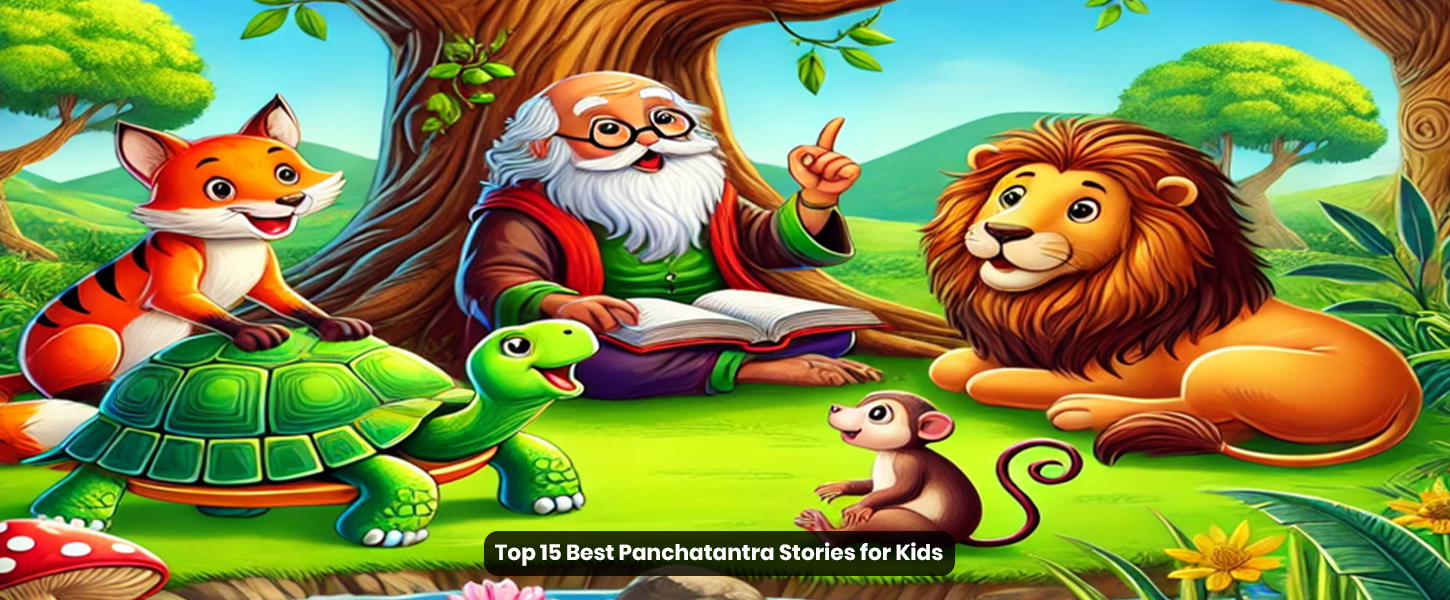

The Panchatantra, an ancient Indian collection of interrelated animal fables, is a timeless treasure trove of wisdom and entertainment for children. Each story carries a moral lesson, making them perfect for young minds to learn about life, values, and ethics. Here are the top 15 Panchatantra stories that every child should know.
This story highlights the importance of kindness and the consequences of being boastful. A bird advises a monkey to build a shelter during the rainy season, but the monkey mocks and dismisses the advice. When heavy rains arrive, the monkey regrets not heeding the bird’s wise words.
Moral: Accept constructive criticism and plan ahead.
Two goats engage in a fierce fight, injuring each other badly. A cunning jackal waits patiently and seizes the opportunity to feast on the wounded goats. This tale teaches the dangers of unnecessary conflict and the benefits of harmony and understanding.
Moral: Avoid unnecessary fights; they harm everyone involved.
A herd of elephants tramples a mouse community, unknowingly causing destruction and loss. Later, when the elephants are trapped by hunters, the mice come to their rescue by gnawing the nets and setting them free. This story demonstrates that even the smallest creatures can be of great help.
Moral: Never underestimate anyone, regardless of their size.
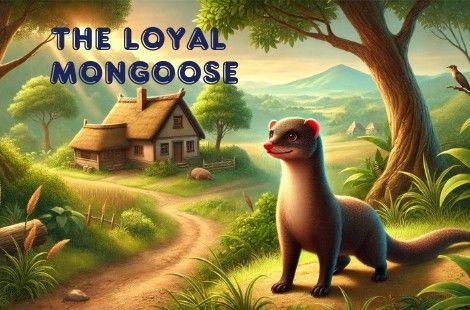
A mongoose saves a child from a deadly snake but is misunderstood and accused by its owner of harming the child. The owner acts impulsively, leading to tragic consequences. The story emphasizes the importance of trust and avoiding hasty judgments.
Moral: Think before acting; rash decisions can lead to regret.
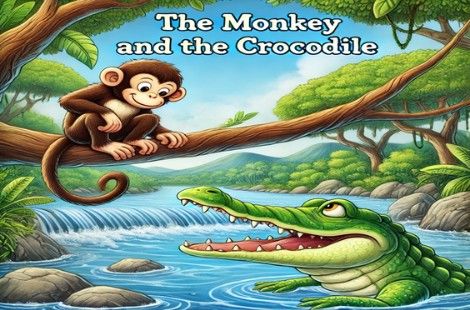
A crocodile befriends a monkey to trick him into giving up his heart at his wife’s insistence. The clever monkey, sensing danger, outsmarts the crocodile by pretending he left his heart on a tree. This teaches the value of quick thinking and presence of mind.
Moral: Stay alert and use your wit to overcome challenges.
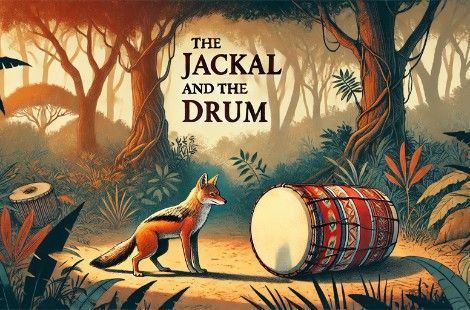
A jackal hears a strange, loud sound while roaming in the jungle. Initially scared, it decides to investigate and finds a harmless drum being blown by the wind. The story teaches the importance of overcoming fear by seeking the truth.
Moral: Fear arises from ignorance; seek knowledge to dispel it.
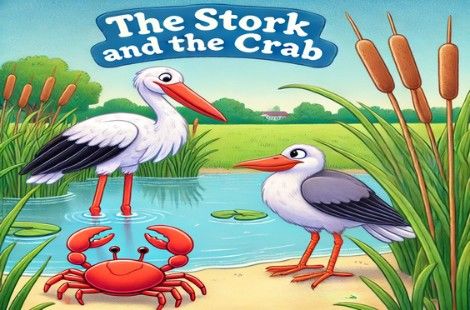
A cunning stork pretends to help fish by offering to move them to a safer place but ends up eating them instead. When the stork tries the same trick on a crab, the crab uses his claws to eliminate the stork. This tale underscores the need to stay vigilant against deceit.
Moral: Beware of false promises and deception.
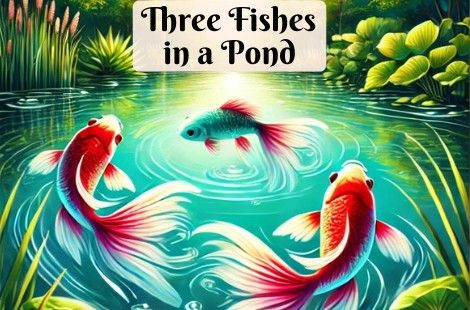
Three fishes react differently to an impending danger. The first anticipates and escapes early, the second adapts cleverly, and the third ignores the threat and is caught. The tale illustrates the importance of foresight, adaptability, and the consequences of negligence.
Moral: Plan ahead to avoid trouble.
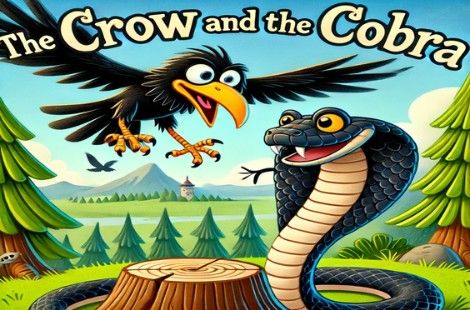
A pair of crows faces a cobra that keeps eating their eggs. They cleverly use jewelry to lure a prince to the cobra’s hideout. The prince, seeing the snake, eliminates it. This story shows how resourcefulness and intelligence can overcome even the toughest challenges.
Moral: Use intelligence to solve problems.
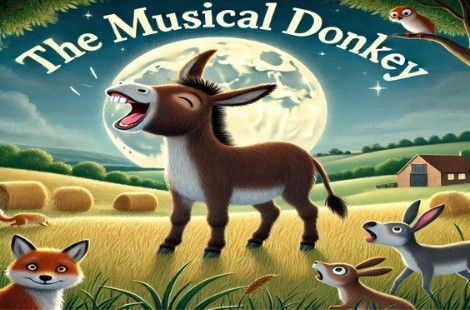
A donkey sings loudly while stealing cucumbers from a field, attracting the farmer’s attention. The farmer catches and punishes the donkey. This humorous tale highlights the importance of knowing when and where to express oneself.
Moral: Know when and where to act appropriately.
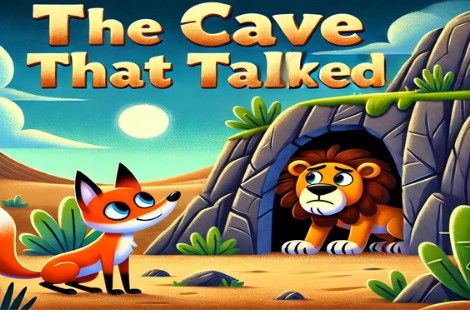
A jackal suspects a lion hiding in a cave and cleverly tricks the lion into revealing its presence by pretending the cave normally talks to him. This saves the jackal’s life, teaching the value of wit and caution in the face of danger.
Moral: Use intelligence to protect yourself from danger.
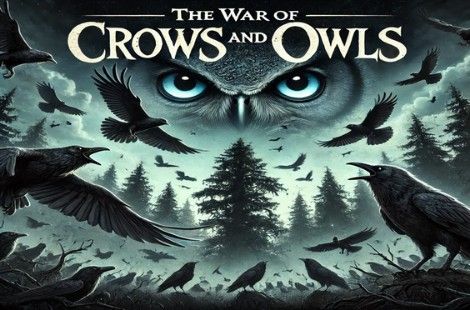
The owls plan a surprise attack on the crows. However, the crows, through unity and strategic planning, outwit and defeat the owls. This story emphasizes the power of teamwork and careful preparation in achieving success.
Moral: Unity and planning lead to success.
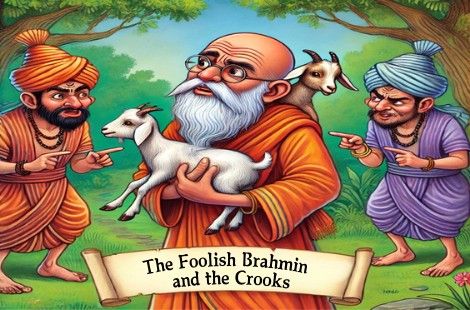
A gullible Brahmin is tricked by three crooks who convince him that his goat is unworthy. Falling for their lies, he gives up the goat, which the crooks then steal. This story warns against being overly trusting and gullible.
Moral: Be cautious and think critically to avoid being deceived.
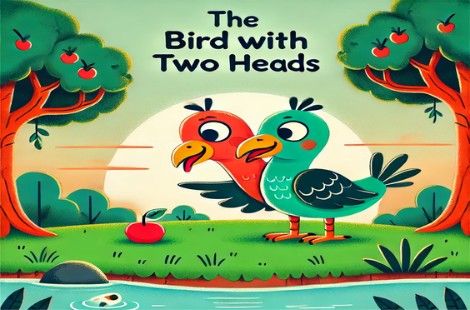
A two-headed bird quarrels over food, with each head acting selfishly. Their constant bickering leads to their downfall. The story emphasizes the importance of cooperation and harmony, especially among those who share a common fate.
Moral: Internal disputes weaken us; work together for mutual benefit.
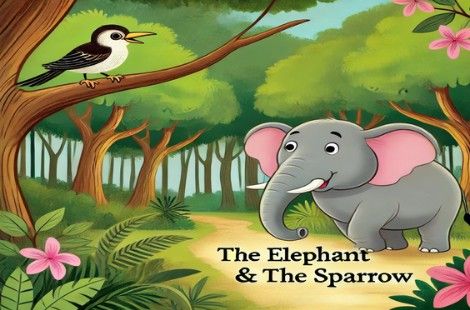
A sparrow loses her eggs to a rogue elephant. Seeking justice, she teams up with a woodpecker, a fly, and a frog to teach the elephant a lesson. Together, they outwit the mighty elephant, demonstrating the power of collective effort.
Moral: Teamwork can overcome even the mightiest obstacles.
The Panchatantra stories are a wonderful blend of fun, adventure, and timeless lessons, making them perfect for kids. Each tale introduces children to important values like kindness, honesty, teamwork, and quick thinking through relatable characters and situations.
These stories entertain and help kids understand how to make thoughtful decisions, overcome challenges, and treat others with empathy and respect. By sharing the Panchatantra tales, parents can create meaningful moments with their children while nurturing qualities that shape them into confident, wise, and kind individuals.
Step into the magical world of the Panchatantra with your kids and let them laugh, learn, and grow with every story!
Join 1000+ of fellow readers. Get expert real estate knowledge straight to your inbox absolutely free. Just enter your email address below.


Leave a Reply