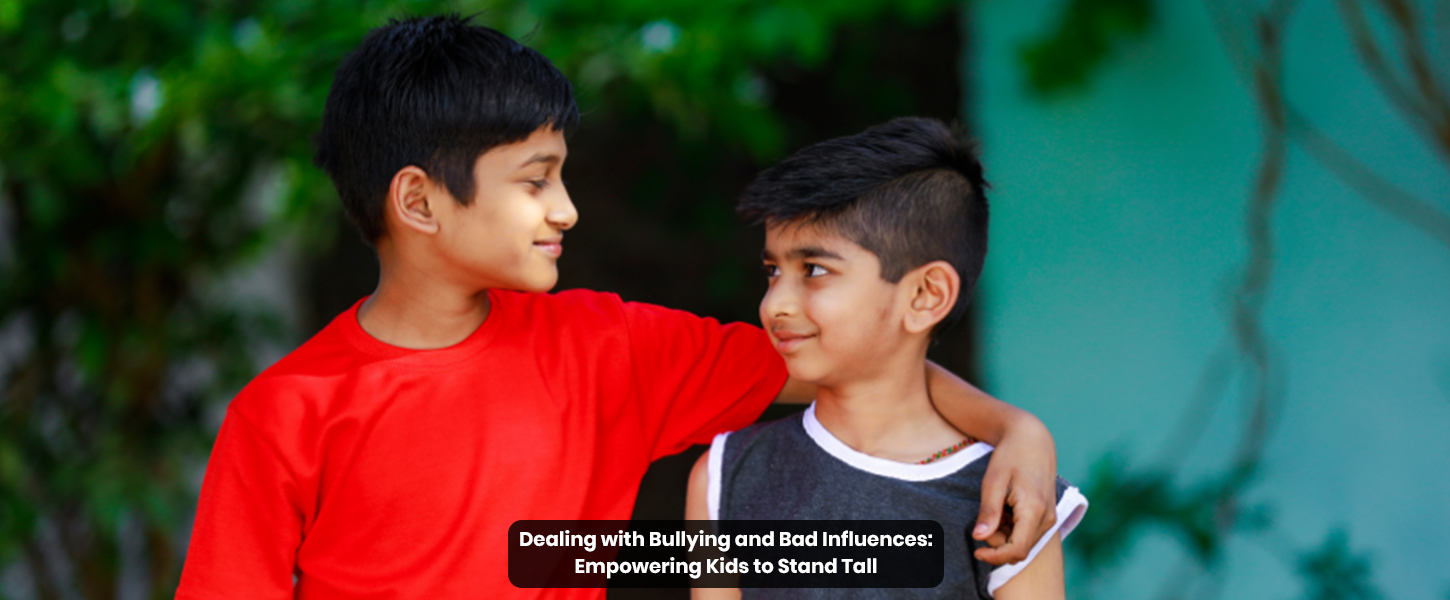

Bullying is a challenge that many children face, but with the proper guidance and support from parents and caregivers, it’s possible to help kids overcome it and grow stronger. In this blog, we’ll explore the topic of bullying, its impacts, and how parents can work with their children to stand up against bad influences and bullying behaviours.
Bullying doesn’t just hurt a child’s feelings; it can have long-term effects on their confidence and happiness. Children who experience bullying may feel scared to go to school, avoid certain places, or have trouble making friends. By addressing bullying early and working together as a family, parents can help prevent these impacts from worsening.
Also read: Tackling Irregular Sleep Patterns in Kids: Tips for Better Bedtime Routines
The emotional effects of bullying can be serious. Children who are bullied might feel sad, lonely, or anxious. In some cases, these feelings can lead to more significant issues like depression. Parents should encourage open communication with their kids and reassure them that sharing their feelings is okay. Dealing with bullying in a supportive and loving way can help protect a child’s mental health.
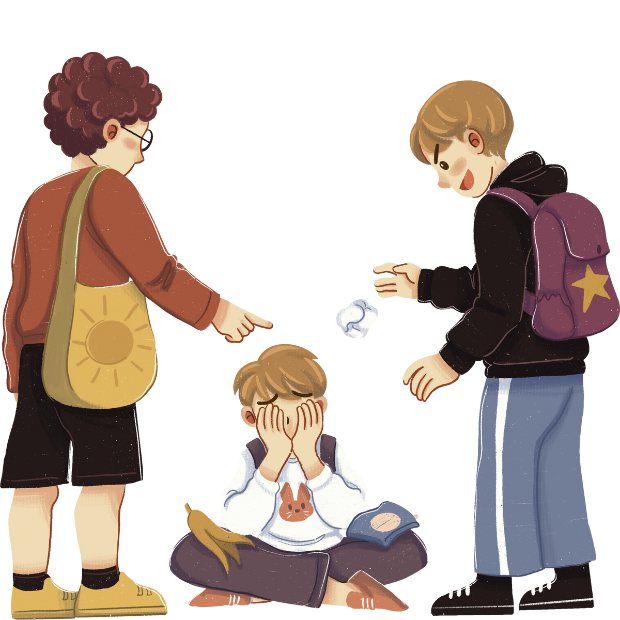
Sometimes, kids might not realize they’re being bullied or even that they’re bullying others. Here are some signs parents can look for:
Recognizing these signs can help parents address the situation before it gets worse.
If your child is being bullied, here are some steps you can take together:
Parents’ involvement in dealing with bullying is crucial to building their child’s confidence and resilience.
Bad influences can sometimes pressure children to act against their values. Here are some tips for parents to guide their kids:
Dealing with bullying and bad influences becomes easier when parents and children work together to build a strong foundation of values and self-confidence.

Parents should also teach their children the importance of helping others experiencing bullying. Encourage your child to:
Being kind and supportive can make a big difference for someone dealing with bullying.
Also read: Raising Grateful Kids in a Materialistic World: Teaching Values That Matter
Sometimes, children might feel embarrassed or scared to talk about bullying. Parents can remind them that speaking up is a sign of strength and the first step in stopping the behavior. Kids should know that it’s never their fault if they’re being bullied and that parents, teachers, and other adults are there to help.
Dealing with bullying and bad influences is not something any child should face alone. Parents, caregivers, and teachers all play an essential role in supporting children through these challenges. By staying involved, encouraging open communication, and building a strong, trusting relationship, parents can help their kids navigate these experiences with confidence and resilience. Together, we can create a safer, kinder world for every child.
Join 1000+ of fellow readers. Get expert real estate knowledge straight to your inbox absolutely free. Just enter your email address below.


Leave a Reply