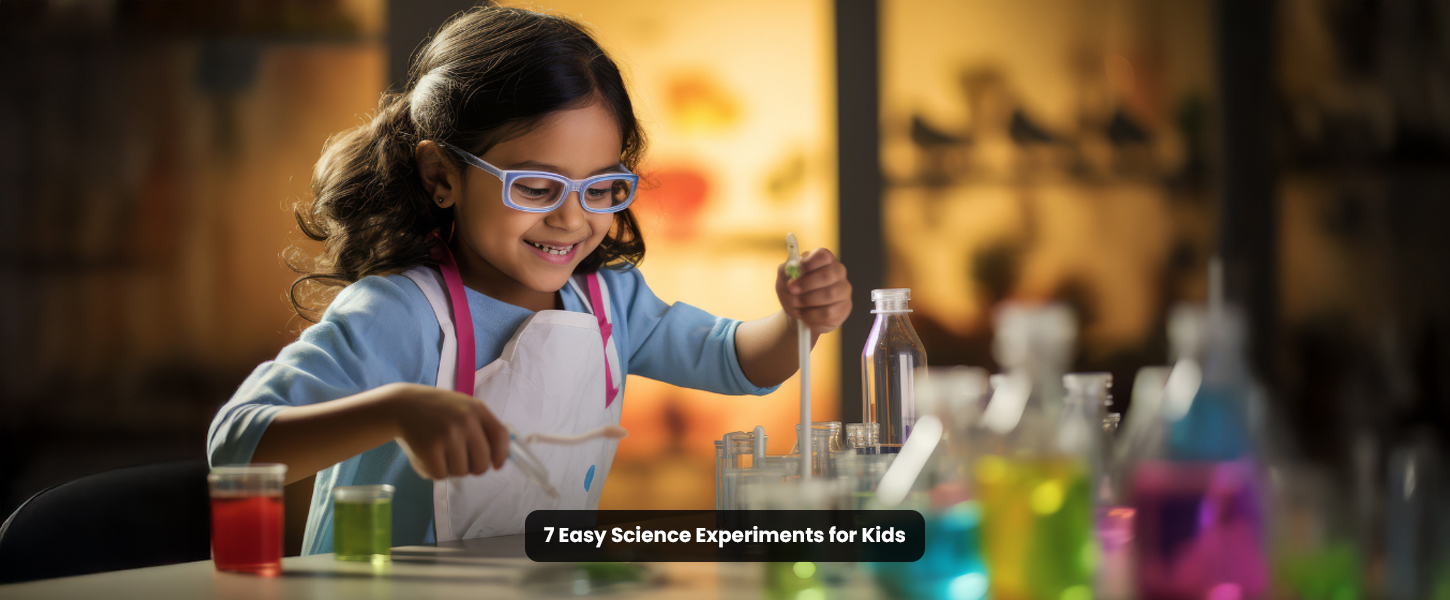

Science is all about exploration, curiosity, and having fun while learning. If you’re looking for exciting and simple science experiments to do with your kids at home or in the classroom, you’ve come to the right place. These experiments use common household items and are designed to be safe, engaging, and educational.
Engaging in science experiments is more than just fun; it’s a way to develop critical thinking, problem-solving, and creativity. When kids perform experiments, they learn to observe, question, and analyze outcomes, which strengthens their cognitive skills. Experiments also foster curiosity and resilience as children explore the “why” and “how” behind scientific phenomena. This hands-on learning approach bridges the gap between theory and practice, making concepts tangible and memorable.
Below is a detailed methodology for each experiment to guide you step-by-step:
Introduction: This colorful experiment is a visual delight that captivates kids while teaching them about chemical reactions and surface tension.
Materials Needed: Milk, dish soap, food coloring, a shallow dish, and a cotton swab.
Steps:
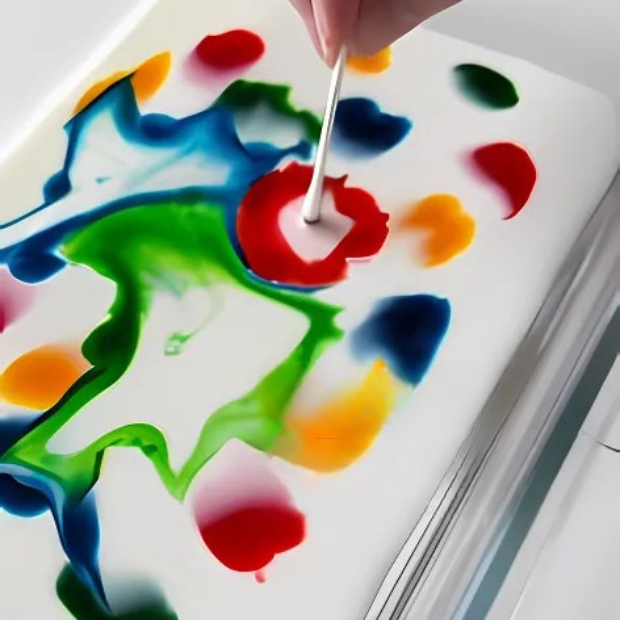
How It Helps Kids: This activity encourages observation skills and introduces basic chemistry concepts in a fun and engaging way.
Science Behind It: The dish soap interacts with the fat molecules in the milk, causing the colors to swirl and create beautiful patterns.
Age Group: Suitable for ages 5-10 with adult supervision.
Introduction: Recreate the excitement of a volcanic eruption right at home while learning about chemical reactions.
Materials Needed: Baking soda, vinegar, a plastic bottle, dish soap, and food coloring.
Steps:
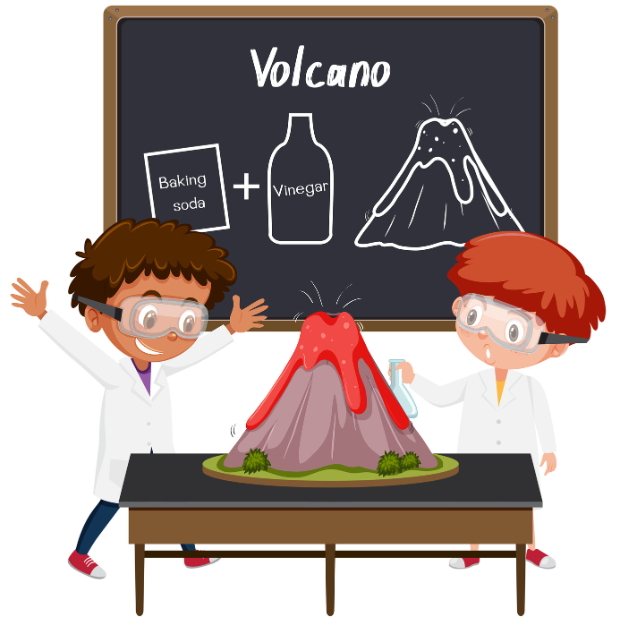
How It Helps Kids: This experiment introduces kids to acids and bases, fostering critical thinking and curiosity about chemical properties.
Science Behind It: The chemical reaction between baking soda and vinegar produces carbon dioxide gas, creating a fizzing eruption.
Age Group: Suitable for ages 6-12 with adult supervision.
Introduction: Discover how water can “walk” from one container to another in this mesmerizing and educational activity.
Materials Needed: Paper towels, water, food coloring, and 3-5 clear cups.
Steps:
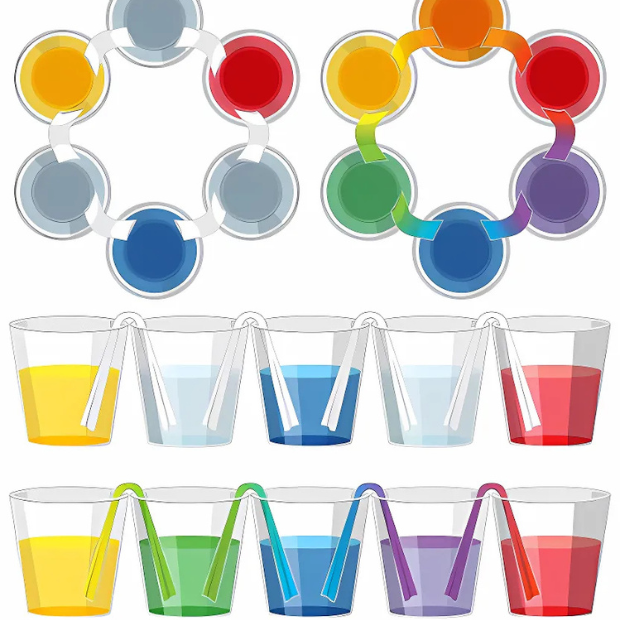
How It Helps Kids: This experiment demonstrates capillary action and helps kids understand how plants absorb water, sparking interest in biology.
Science Behind It: Capillary action allows water to move through the fibers of the paper towel.
Age Group: Suitable for ages 5-12.
Introduction: Build a simple car that moves using air, showcasing principles of motion and engineering.
Materials Needed: A balloon, a plastic bottle, straws, tape, and bottle caps.
Steps:
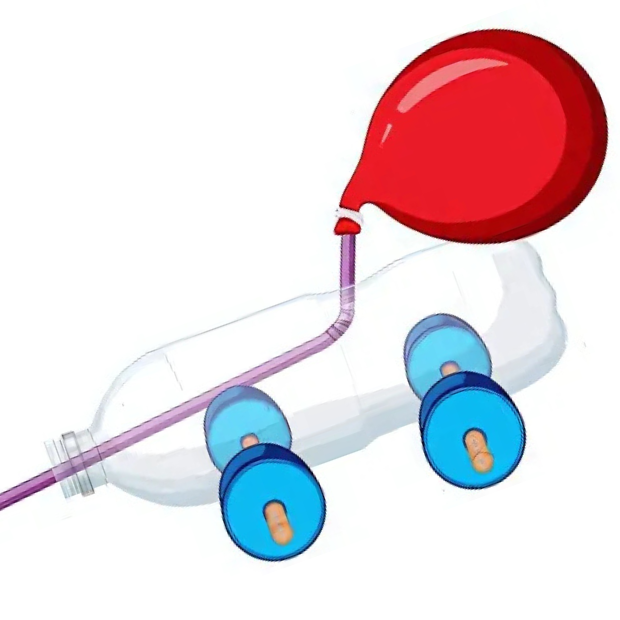
How It Helps Kids: This activity promotes problem-solving skills and introduces the concept of Newton’s third law of motion in a hands-on way.
Science Behind It: Newton’s third law of motion is demonstrated: for every action, there is an equal and opposite reaction.
Age Group: Suitable for ages 7-12 with adult assistance.
Introduction: Create a dazzling lava lamp effect while exploring the properties of liquids and gases.
Materials Needed: A clear bottle, vegetable oil, water, food coloring, and effervescent tablets.
Steps:
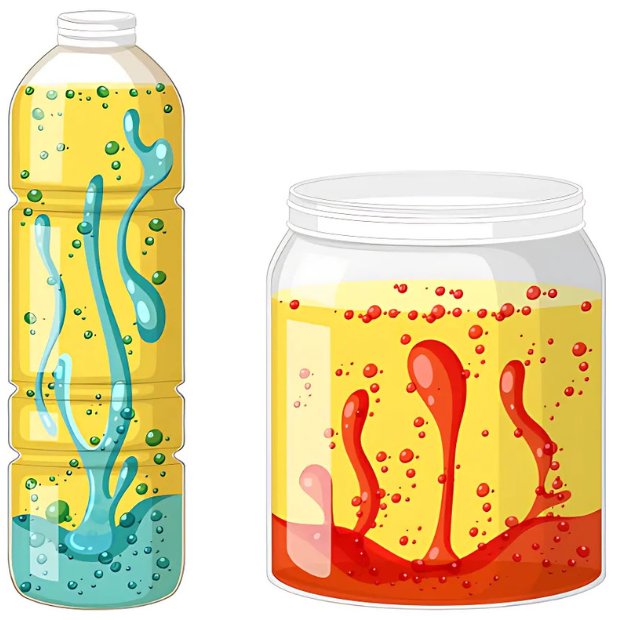
How It Helps Kids: Kids learn about density and the behavior of gases, which encourages analytical thinking and observation.
Science Behind It: The effervescent tablet creates carbon dioxide gas, causing the colored water to move through the oil in a mesmerizing way.
Age Group: Suitable for ages 6-12.
Introduction: Explore the fascinating effects of static electricity by making a tissue paper butterfly dance.
Materials Needed: Tissue paper, a balloon, scissors, and tape.
Steps:
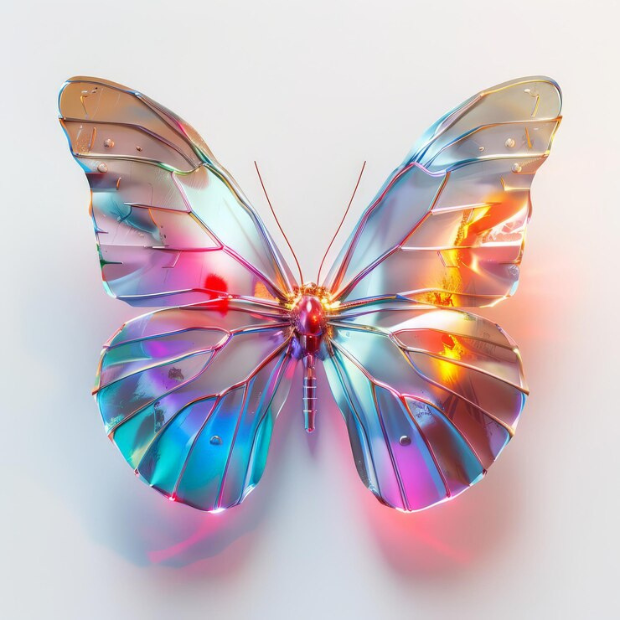
How It Helps Kids: This activity teaches kids about static electricity and provides a fun way to understand the forces at play.
Science Behind It: The static electricity on the balloon attracts the lightweight tissue paper.
Age Group: Suitable for ages 5-10.
Introduction: Create a colorful, layered rainbow in a glass while learning about density and solutions.
Materials Needed: Sugar, water, food coloring, and a clear glass.
Steps:
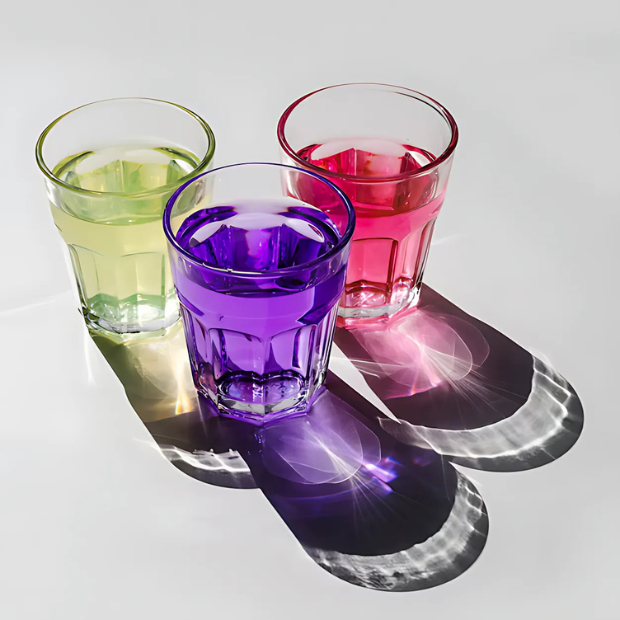
How It Helps Kids: This experiment encourages an understanding of density and how different substances interact, promoting logical reasoning.
Science Behind It: The varying sugar concentrations create different densities, keeping the layers separate.
Age Group: Suitable for ages 8-12.
Nestled in Sector 93, Gurgaon, Amarah by Ashiana is more than just a residential complex—it’s a thoughtfully crafted space for children’s holistic development. Spread over 22 acres, with 6.7 acres dedicated to lush green spaces, the community offers spacious 3bhk and 4bhk apartments equipped with modern conveniences to meet the needs of growing families.
At the heart of Amarah by Ashiana is its ‘Live & Learn’ program, a thoughtfully curated initiative offering structured activities that foster learning and growth. Children can explore their interests in a safe and supportive environment, nurturing their curiosity and talents.
With a focus on learning, nurturing, support, and care, Amarah creates a harmonious balance between family life and child development, making it a standout choice for families seeking a vibrant, enriching lifestyle in Gurgaon.
These simple and fun experiments are perfect for sparking curiosity and teaching kids basic scientific principles. Whether it’s understanding chemical reactions, exploring the properties of liquids, or observing static electricity, each experiment offers a hands-on learning experience. Gather your materials, follow the steps, and enjoy the joy of discovery with your kids!
Join 1000+ of fellow readers. Get expert real estate knowledge straight to your inbox absolutely free. Just enter your email address below.


Leave a Reply