

In today’s digital world, where typing has become the norm, the importance of beautiful handwriting often goes unnoticed. Yet, handwriting remains an essential skill that supports cognitive development, enhances fine motor abilities, and fosters a sense of personal expression in children. As parents and educators, we can help children improve their handwriting for kids through fun and engaging at-home activities.
Whether your child is just beginning to form letters or is trying to develop their own unique handwriting styles, creating a routine of handwriting practice at home can make a remarkable difference.
Handwriting, like art, comes in many forms. Each child has a unique rhythm and flow when they write, and understanding various handwriting styles can help them discover the one that feels most natural and enjoyable.
The most common handwriting styles include:

Introducing kids to different handwriting styles not only sparks their curiosity but also encourages self-expression. It allows them to explore the aesthetics of writing and adopt a style that matches their personality and comfort.
When you expose your child to a variety of styles during handwriting practice for kids, it helps improve their fine motor skills, letter recognition, and visual memory. Over time, they’ll develop their own unique and beautiful handwriting, a true reflection of their individuality.
Also Read: WHO Recommends Less Screen Time and More Play Time for Childs’ Holistic Development
Good handwriting isn’t just about neat letters. It boosts fine motor skills, strengthens cognitive connections, and supports better learning outcomes. When children are taught to focus on legibility and consistency, they start expressing themselves more confidently. Plus, a well-developed writing style adds a personal flair that even typing can’t replicate.
To cultivate beautiful handwriting, focus on building these foundational elements:
Understanding and practicing these components will enhance the overall quality of handwriting for kids.
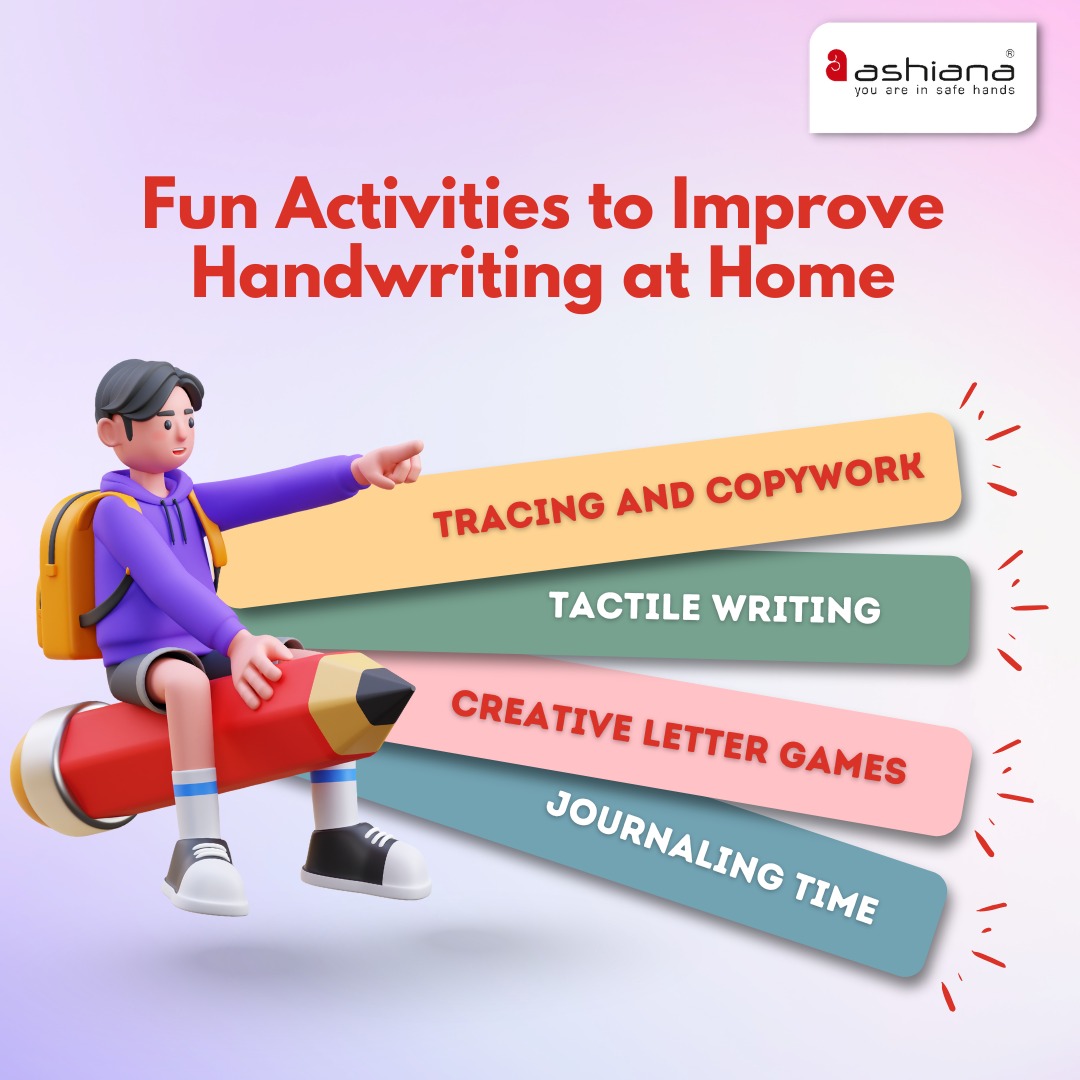
Start with tracing sheets of the alphabet or common words. Copywork from books or poems can also be great for older kids. These exercises reinforce letter formation and help build muscle memory, critical for developing beautiful handwriting.
Use trays filled with sand, flour, or salt and let your child practice writing using fingers or sticks. This multisensory method is fun and effective for early learners beginning their handwriting practice for kids.
Use playdough to shape letters, or ask kids to draw letters with different objects. These games improve hand-eye coordination while playfully reinforcing handwriting for kids.
Encourage children to maintain a daily journal where they can write freely. Regular journaling is one of the best handwriting tips for building consistency, fluency, and expression.
Let your child pick and practice various handwriting styles like cursive or bubble letters. It keeps the learning process engaging and personalizes their writing journey.
Here are some expert-recommended handwriting tips to help your child write beautifully:
These simple yet effective strategies will steadily build beautiful handwriting skills in kids of all ages.
Also Read: 11 Effective Communication Skills for Communicating with Your Teen
Nurturing beautiful handwriting in children is a rewarding journey. With consistent handwriting practice for kids, the right guidance, and creative home activities, your child can develop a writing style that is both legible and expressive. Whether they enjoy traditional print or explore different handwriting styles, the focus should always be on making the process enjoyable.
Investing a few minutes each day into writing activities not only improves handwriting for kids but also builds patience, attention to detail, and a sense of achievement.
So, take out the notebooks, and let the joy of writing begin!
Join 1000+ of fellow readers. Get expert real estate knowledge straight to your inbox absolutely free. Just enter your email address below.


Leave a Reply