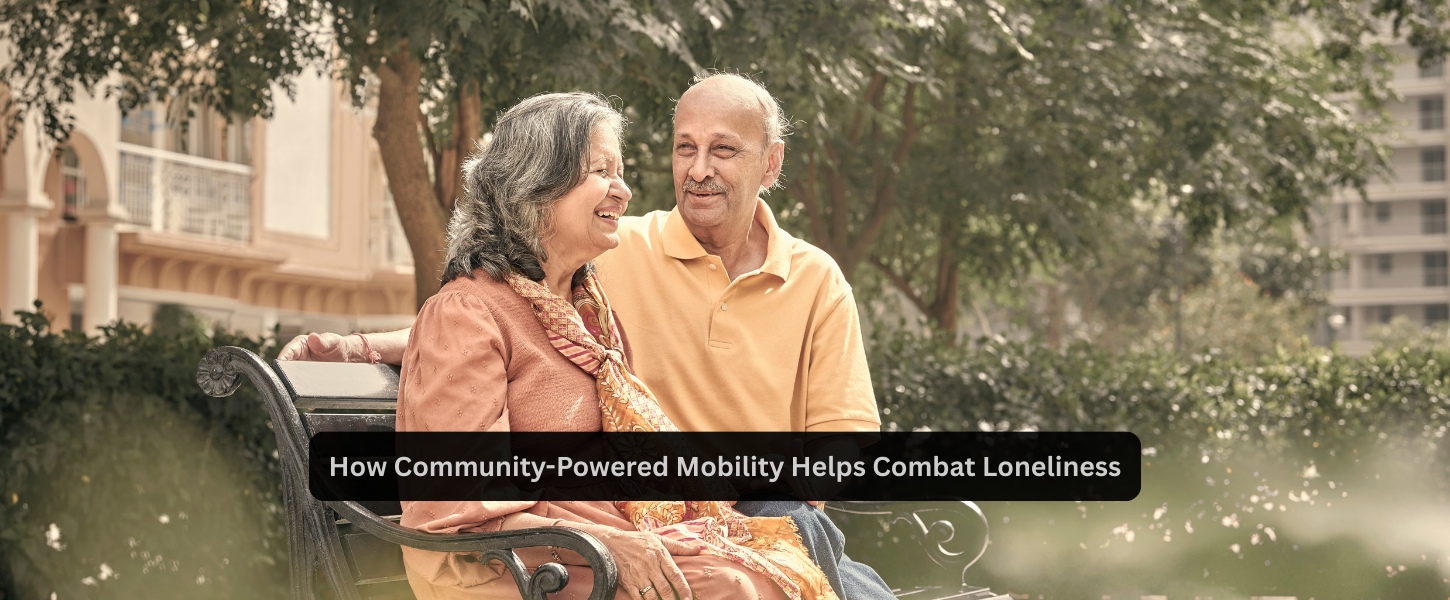

Gone are the days when loneliness was just a sentimental feeling. Over time, it has gained prominence as a public-health concern. For millions, especially older adults and people with limited mobility, a lack of meaningful social interaction is linked to poorer mental health, increased risk of depression and anxiety, and even physical health decline. What’s less obvious is that mobility, which is the ability to move around one’s community, plays a huge role in how connected we feel.
Community-powered mobility, such as transportation solutions rooted in people, inclusivity, and shared purpose, is emerging as a powerful antidote to loneliness. When communities build ways for people to get around together, attend events, meet friends, and stay engaged, the benefits ripple outward: improved wellbeing, enhanced independence, and stronger social ties.
At its core, mobility determines who we can reach and how often we can connect. Without reliable transportation, many individuals experience a shrinking “activity space”- the area where they can go and with whom they can interact. For older adults or people who no longer drive, this can mean reduced access to social events, volunteer opportunities, community centers, and even simple outings with friends and family.
Imagine a retiree who can’t drive anymore. Suddenly, weekly book club, church services, or lunch dates become difficult or impossible, and the world feels smaller. Community-powered mobility services help bridge that gap by offering ways to stay connected.
Here are some of the key approaches that fall under this umbrella:
These are transportation services that adapt to riders’ needs, like flexible routes or on-demand pickups, especially in areas where traditional buses don’t reach. Known as demand-responsive transport, these services make trips to social hubs, community centers, and events more accessible.
Programs where community volunteers provide rides or accompany riders, such as trishaw rides for seniors, combine movement with conversation. For example, initiatives around the globe like Cycling Without Age use volunteer-piloted trishaws to take older adults out into their neighborhoods, enabling dialogue and connection during the journey itself.
While NEMT is often thought of as rides to medical appointments, many programs expand services to include transport to social and recreational activities, from community gatherings to fitness classes, improving social engagement.
Nonprofit systems like community taxi cooperatives or shared ride networks go beyond mobility for errands; they build livelihoods and relationships for riders and volunteers alike.
Mobility transforms transportation from a simple act of getting somewhere into a meaningful pathway toward human connection, emotional wellbeing, and renewed participation in everyday life. Let us see how.
It isn’t just where someone goes, it’s who they meet and what happens along the way. Shared rides offer opportunities for conversation with drivers and fellow riders, reducing isolation that often comes from solitary travel or staying home.
Research on paratransit services (rides tailored for people with disabilities and older adults) found that riders reported feeling less lonely after using the service and that, on average, each trip resulted in nearly three new social interactions.
Ref: https://www.sciencedirect.com/science/article/abs/pii/S2214140525000829#
Transportation access strongly correlates with social participation. People with reliable mobility options report higher levels of social connectedness and lower feelings of loneliness, especially those with disabilities who otherwise might stay home.
Easier mobility encourages participation in community events, volunteering, and civic life. This increases a sense of purpose and belonging that is an essential ingredient in combating loneliness.
Transportation is often treated purely as logistics, but research shows it’s deeply tied to health outcomes. Lack of transport is not just inconvenient but also limits participation in life and community, and can worsen mental health conditions.
By expanding mobility options, especially those driven by and for the community, we reconnect people with life around them. That creates more than movement: it fosters friendship, dignity, independence, and joy.
Join 1000+ of fellow readers. Get expert real estate knowledge straight to your inbox absolutely free. Just enter your email address below.


Leave a Reply