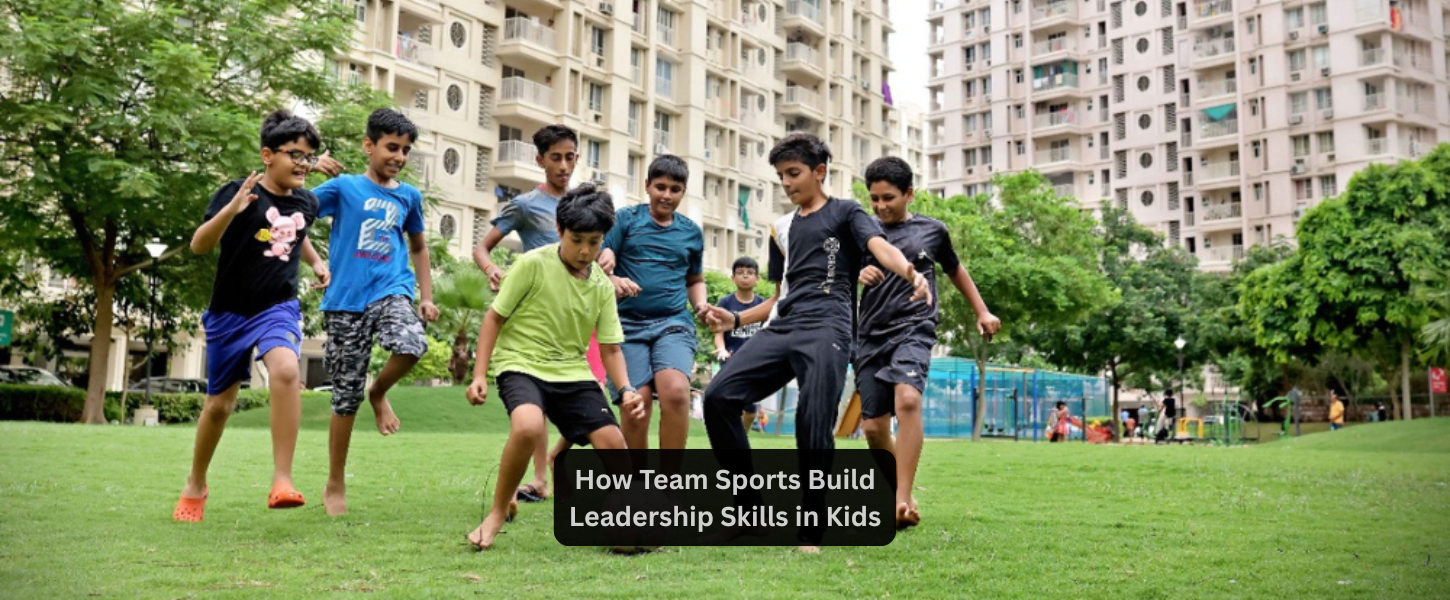

Sports are more than just games for children; they are powerful tools that help shape character, boost confidence, and nurture future leaders. When kids participate in team sports, they don’t just learn how to win or lose gracefully; they also develop leadership skills, teamwork, and resilience. These early lessons lay a solid foundation for success in school, relationships, and later professional life.
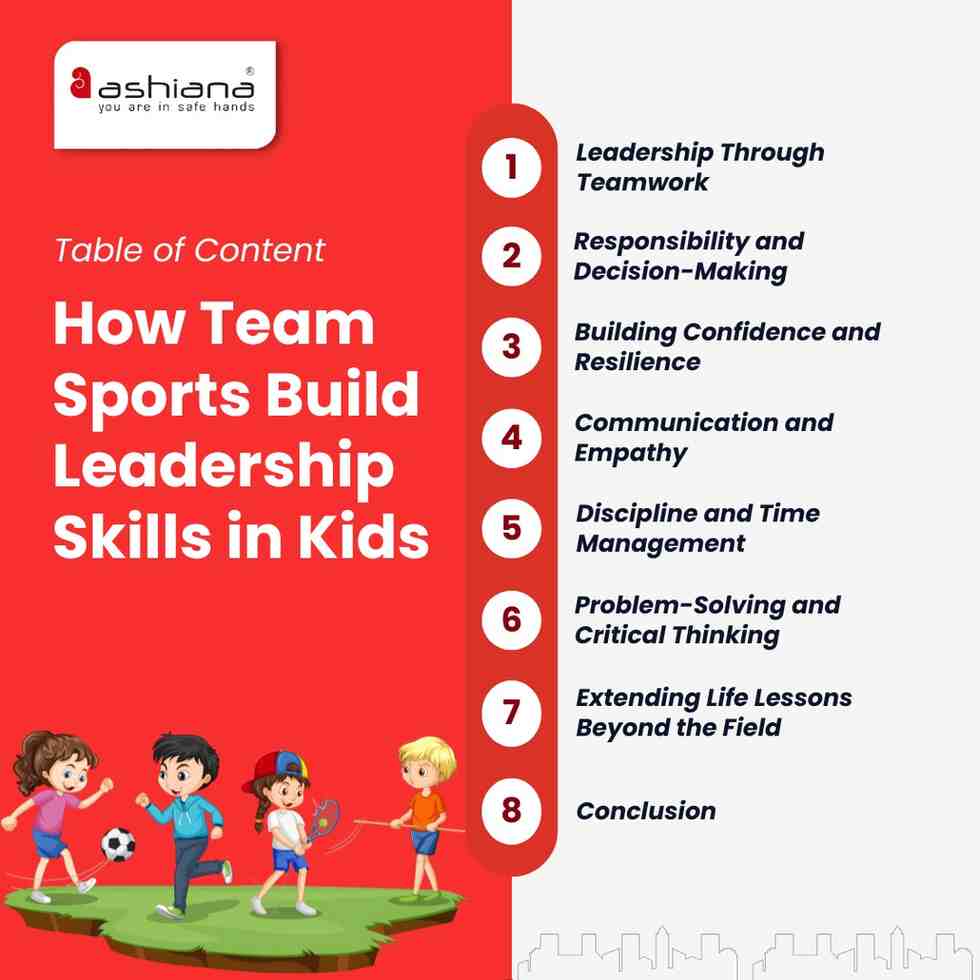
On the field, kids realize that a single person can’t win a match; it takes the whole team. This understanding teaches them that leadership isn’t about being “the boss,” but about guiding, supporting, and inspiring.
Key lessons they pick up include:
In the process, children see that true leaders lift others while achieving goals together. Whether it’s in a football match or a class project, this spirit of teamwork and shared responsibility becomes a lifelong asset.
Imagine a child taking the final shot in a basketball match, whether they score or miss, the team depends on their decision. Situations like this teach accountability in a way no classroom lesson can.
By facing such moments, kids develop maturity and learn that responsibility comes with every choice they make. Over time, this practice helps them in academics, friendships, and even future career paths, where split-second decisions carry weight.
Sports are a journey of wins and losses, and both play an important role in shaping a child’s character. Every victory fuels self-esteem and motivates children to push their limits, while every defeat teaches perseverance, humility, and the courage to try again. These experiences slowly build resilience, helping kids understand that setbacks are temporary and can be overcome with consistent effort. Over time, such lessons prepare them to face academic, social, and personal challenges with a positive outlook, making them emotionally stronger and more adaptable.
This skill is best explained in prose. On the ground, children must talk, listen, and understand, whether it’s calling out a pass, motivating a tired teammate, or respecting the opponent. These constant interactions make them:
The empathy they develop here often extends beyond sports, into friendships, classrooms, and even family life. It helps them build stronger social bonds and prepares them to work effectively in diverse environments as they grow.
Sports naturally bring discipline into a child’s life. Regular training sessions, punctuality, and the need to balance academics with playtime encourage children to organize their routines better. They learn that consistency is key, whether it’s showing up for practice or studying daily.
With time, this translates into effective time management skills that help them prioritize tasks, maintain balance, and remain focused. These habits, once formed, stay with them for life and become a strong foundation for personal and professional growth.
Every game brings surprises, a sudden change in the opponent’s tactics, an unexpected rule, or even a challenging situation like playing short of a teammate. These moments push children to think critically and adapt quickly. By analyzing problems on the spot, planning new strategies, and working with their teammates to implement them, kids naturally sharpen their problem-solving skills. This ability to think on their feet and stay calm under pressure prepares them to handle life’s unpredictable challenges with confidence and creativity.
What sports teach here:
While sports shape children outside, the right home environment ensures those lessons flourish inside. A supportive, engaging community helps kids grow into confident leaders. This is where Ashiana Housing plays a vital role. Their thoughtfully designed kid-centric homes provide safe play areas, activity zones, and a nurturing atmosphere for children. Projects like Ashiana Amarah are built to encourage learning, play, and leadership development. Here, children find the perfect balance of home comfort and opportunities to grow into tomorrow’s leaders.
Team sports are more than just physical activity; they’re a classroom for life lessons. They instill leadership skills in kids, enhance social-emotional development, and contribute to holistic personality development for kids. Combined with a supportive home and community, these experiences shape children into well-rounded individuals ready to take on the challenges of the future.
Join 1000+ of fellow readers. Get expert real estate knowledge straight to your inbox absolutely free. Just enter your email address below.


Leave a Reply