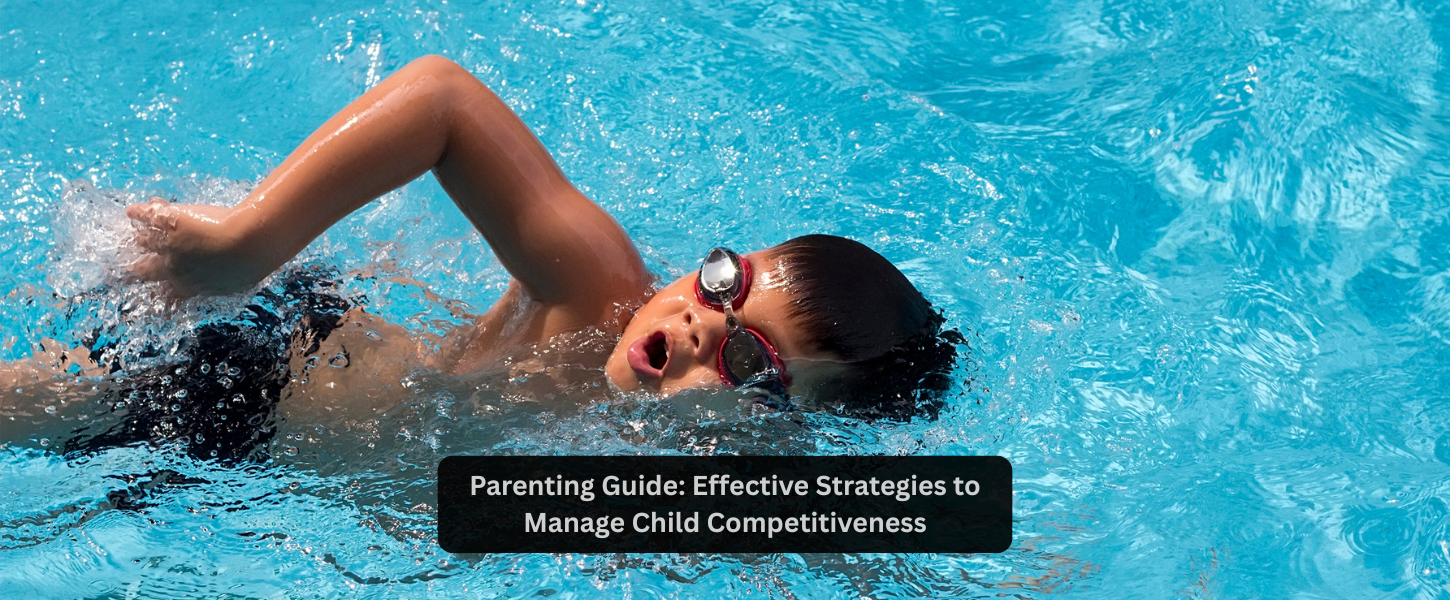

Competitiveness is a natural part of growing up. Children often want to win, achieve, and stand out among their peers. While a healthy sense of competition can motivate them to perform better, excessive competitiveness can affect their emotional well-being, social relationships, and ability to enjoy simple activities. This parenting guide will help you recognize the signs of unhealthy competitiveness in children and provide practical strategies to nurture a balanced approach.
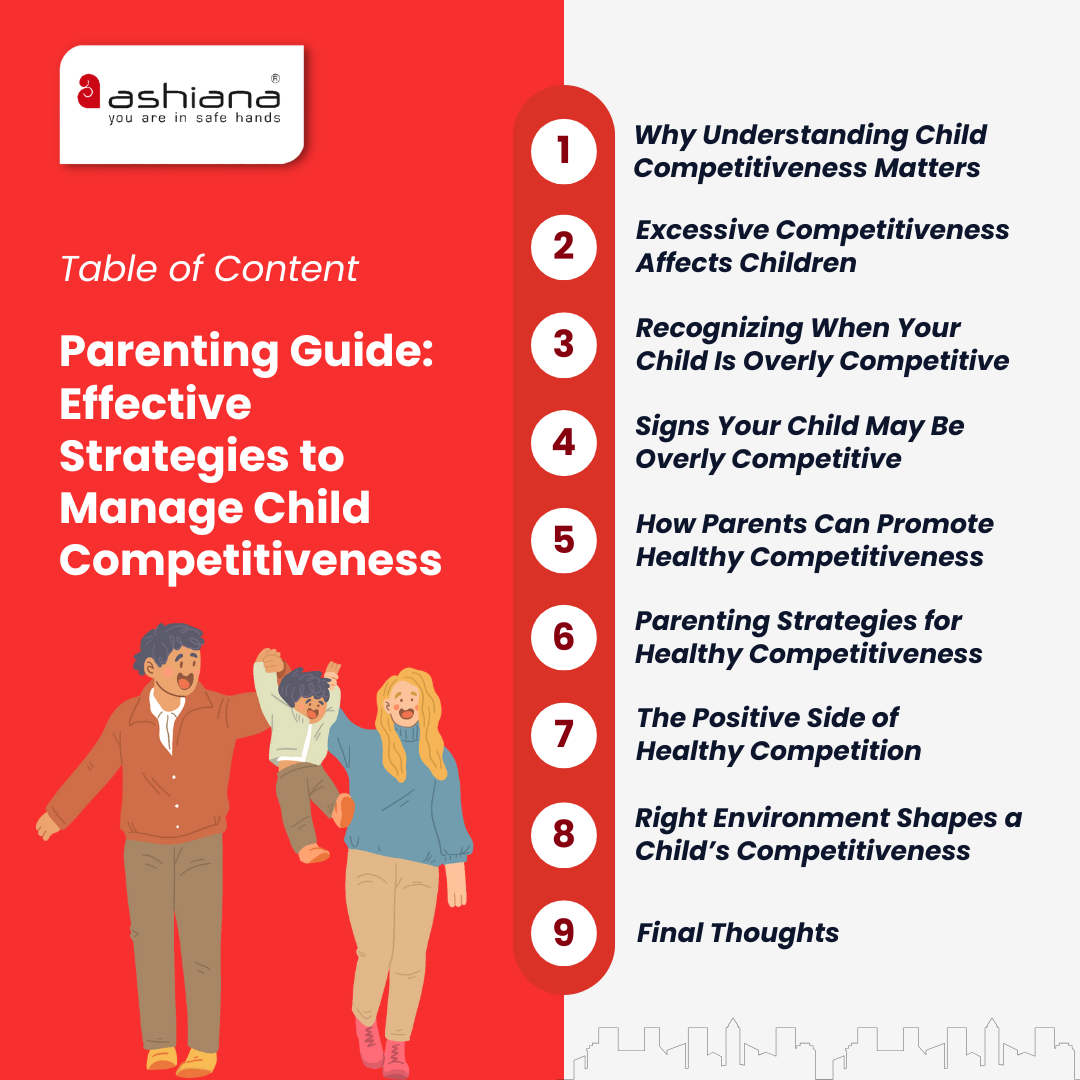
Competition can inspire children to work hard and push their limits, but when the focus shifts entirely to winning, it may lead to stress, anxiety, or frustration. A child who is too competitive may find it difficult to enjoy teamwork, empathize with others, or handle setbacks gracefully. That’s why parents play an essential role in guiding kids to balance ambition with emotional resilience.
Excessive competitiveness in children can often do more harm than good. While a healthy level of competition can motivate them to achieve their best, being overly focused on winning may lead to stress, frustration, and anxiety. This behavior not only takes away the joy of learning and playing but can also affect their ability to build teamwork, empathy, and healthy social relationships. Over time, this imbalance can create unnecessary pressure and negatively impact both their emotional well-being and overall growth.
While striving to do well is a positive trait, there’s a fine line between healthy competition and an overwhelming need to win at all costs. When children cross this line, it often shows up in their behavior, emotions, and interactions with others. Identifying these signs early can help parents guide their kids toward a healthier balance.
Every child shows competitiveness differently, but here are some common indicators:
Recognizing these signs early allows parents to step in and guide their child toward healthier competition.
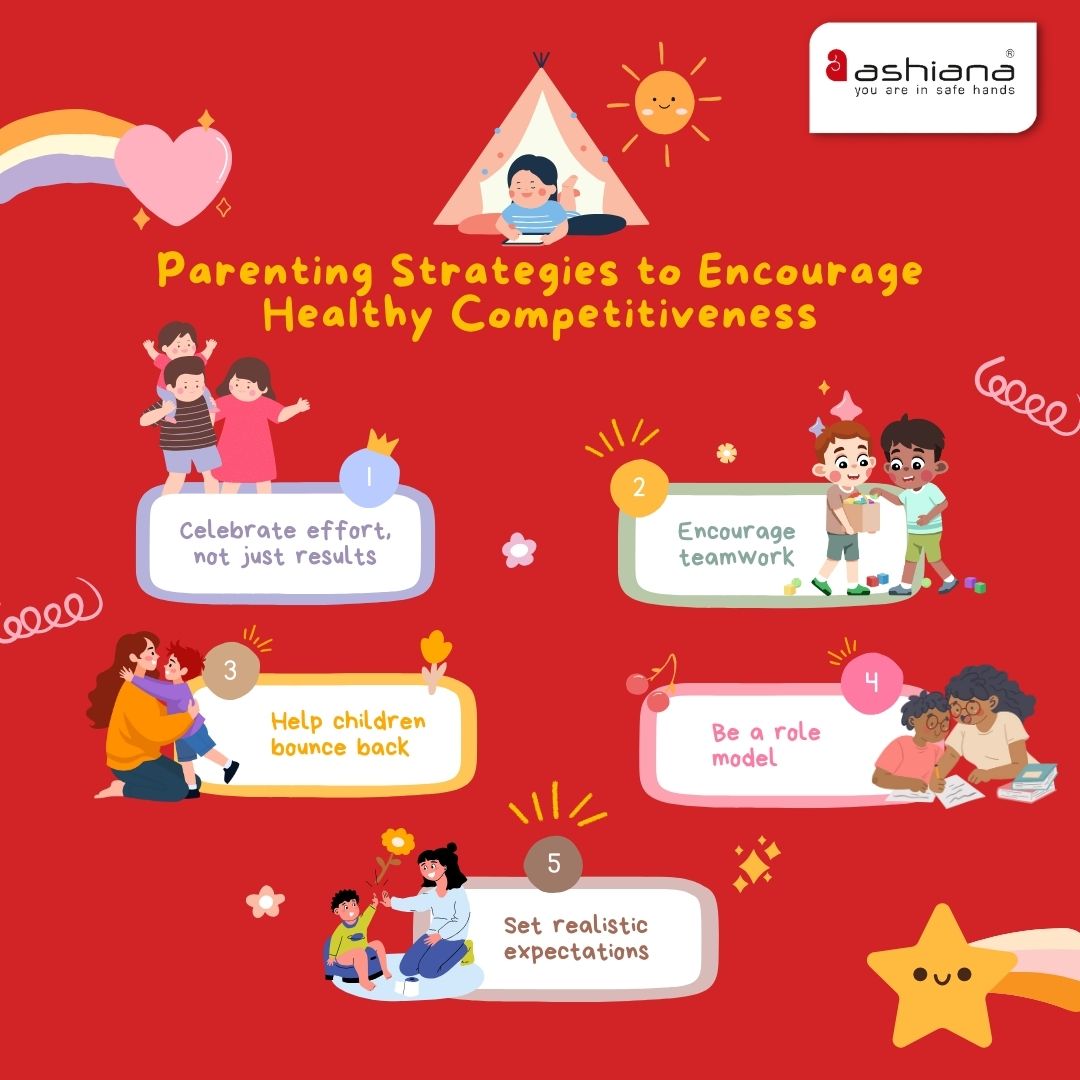
Encouraging a balanced approach to competition is important for your child’s growth. As a parent, you can guide them to embrace effort, teamwork, and resilience instead of focusing only on winning. A few mindful strategies can help children build confidence while keeping competitiveness in check.
This parenting guide recommends focusing on balance rather than perfection. Some effective strategies include:
When guided properly, competition can bring out the best in children. It helps them:
The environment a child grows up in plays a major role in shaping their attitude toward competition. When surrounded by encouragement, support, and realistic expectations, children are more likely to view competition as a way to learn rather than a constant pressure to win. Parents, teachers, and peers together can create a space where healthy competitiveness thrives.
Ashiana Housing’s Kid-Centric Homes, such as Ashiana Umang and Ashiana Amarah, are designed to provide children with the right environment for balanced growth. With features like safe and secure premises, learning hubs, sports facilities, and activity areas for arts and creativity, these homes encourage children to build confidence, develop social skills, and channel their competitive spirit in a positive direction.
Competitiveness in children can be a valuable trait when guided carefully, but excessive focus on winning can create stress and affect emotional well-being. A well-structured parenting tip emphasizes the role of parents in fostering healthy competition by focusing on effort, teamwork, and resilience. A supportive environment, both at home and in community spaces, helps children learn to balance ambition with empathy and enjoyment. By encouraging opportunities for growth, and spaces designed for safe and creative play, children can channel their competitive energy positively while developing confidence, social skills, and a love for learning.
Join 1000+ of fellow readers. Get expert real estate knowledge straight to your inbox absolutely free. Just enter your email address below.


Leave a Reply