

The words we use as parents or caregivers carry immense power. They shape how children perceive themselves, handle emotions, and interact with the world around them. While no parent intends harm, certain commonly used phrases to avoid can have unintended negative consequences on a child’s mental and emotional development. Psychologists stress the importance of mindful communication to foster confidence, resilience, and emotional well-being in children. Below, we explore 10 phrases to avoid saying to kids, why they matter, and how to reframe them for positive impact.
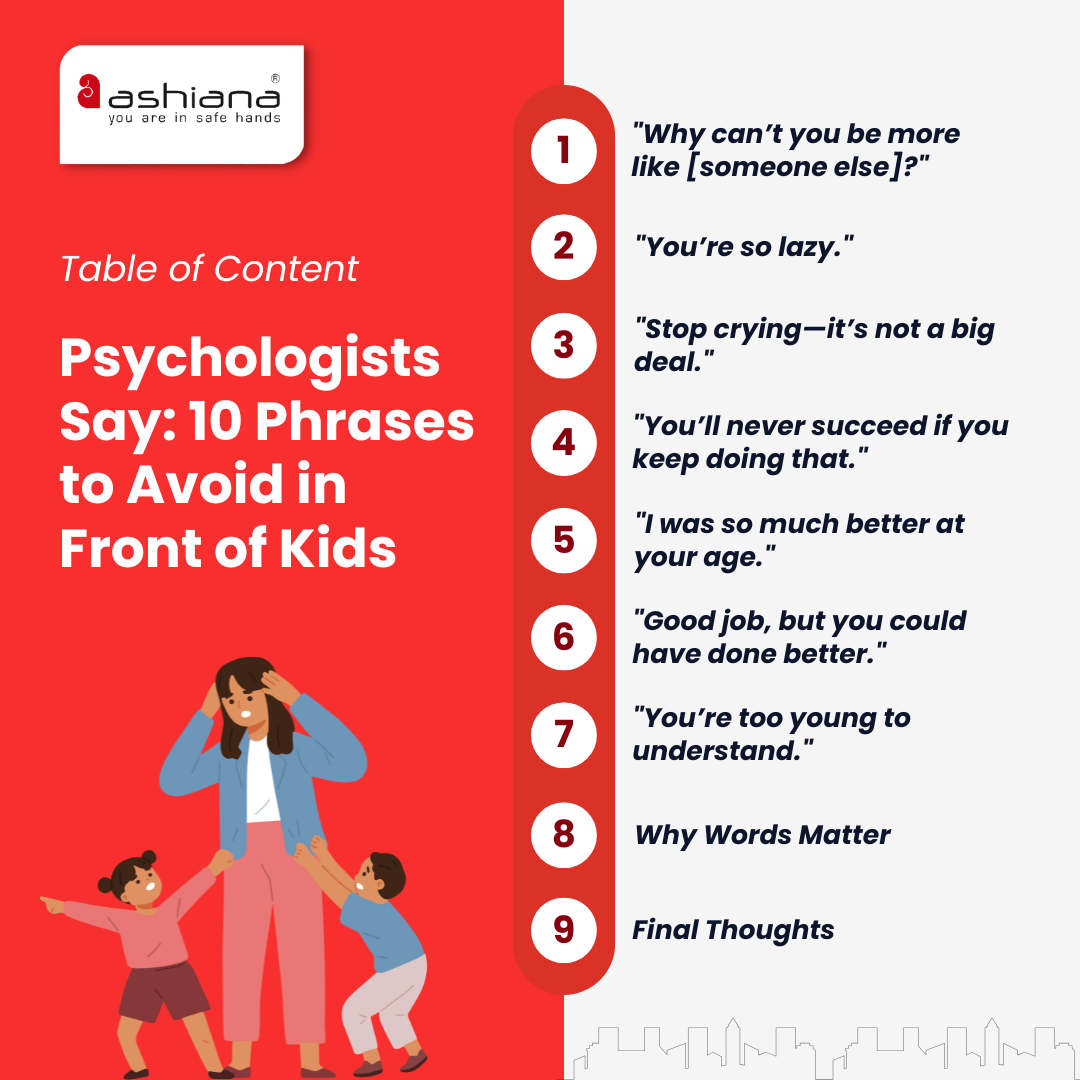
Comparisons might seem motivating, but they often lead to feelings of inadequacy. Children are unique, each with their strengths, weaknesses, and pace of development. Comparing them to siblings, classmates, or friends can damage their self-esteem and create unhealthy competition or resentment.
Comparison communicates that they aren’t good enough, which can hinder their confidence and discourage personal growth.
“Everyone has their special skills. Let’s figure out what you’re great at!”
Labeling a child as “lazy” can have long-term repercussions on how they view themselves. Kids often internalize such labels and may even fulfill those negative expectations, believing they can’t change how others see them.
Labels stick. Instead of addressing specific behaviors, calling a child “lazy” becomes a commentary on their character.
“I know you’re capable of great things. Let’s tackle this together!”
While some situations may seem trivial to adults, they can feel monumental to a child. Dismissing their feelings teaches them to suppress emotions rather than address them constructively.
Invalidating their feelings can lead to emotional suppression and hinder their ability to process emotions in a healthy way.
“It’s okay to feel upset. Let’s talk about why you’re feeling this way.”
Ref: https://www.cnbc.com/2019/11/01/5-phrases-parents-should-never-say-to-their-kids-according-to-a-psychologist.html
Predicting failure can have a discouraging effect, especially for kids trying to learn or overcome challenges. They might start believing they are destined to fail, no matter how hard they try.
Negative predictions create fear and doubt, making children afraid to try new things or persist through difficulties.
“Let’s figure out a better way to do this so you can succeed.”
When children ask “why,” they aren’t being defiant—they’re curious and want to understand. Shutting down their questions can make them feel dismissed or powerless.
This phrase denies children the opportunity to learn and fosters resentment instead of cooperation.
“Here’s why this is important. Let me explain.”
Being told they are “too sensitive” can make kids feel ashamed of their emotions and question their worth. Sensitivity is a natural and valuable trait that should be nurtured, not criticized.
Dismissing emotions discourages self-expression and can make children feel invalidated.
“I see this is upsetting you. Let’s work through it together.”
This phrase might seem like harmless nostalgia, but it sets up a comparison that can create pressure and diminish a child’s sense of achievement.
Comparing their performance to yours creates a sense of inadequacy and pressure to meet unrealistic standards.
“When I was your age, I found this hard too. You’ll get better with practice!”
Adding criticism to praise dilutes the positive reinforcement a child receives. Instead of feeling proud of their efforts, they might focus solely on their shortcomings.
Mixed messages can confuse children, leaving them unsure if their efforts are appreciated.
“I’m proud of what you did. Let’s see how we can make it even better next time!”
Expressing frustration like this might seem harmless, but it can make children feel like a burden. They need to learn how to handle stress from adults modeling calm behavior.
This phrase shifts the responsibility of your emotions onto the child, which can make them feel guilty or unwanted.
“I’m feeling a bit overwhelmed right now. Let’s take a break and talk later.”
Dismissing a child’s ability to understand makes them feel excluded or undervalued. Even complex topics can be explained in a way that makes sense to a child.
Exclusion from conversations can damage a child’s self-esteem and make them feel less capable.
“This is a little tricky, but I’ll explain it in a way that makes sense to you.”
Also read: Creative and Effective Ways to Keep Kids Engaged and Productive
Children are incredibly impressionable, absorbing not just the meaning of our words but also the emotions and intentions behind them. Phrases to avoid can either empower them to thrive or hold them back with doubts and insecurities. Using positive, constructive, and empathetic language helps nurture confidence, emotional intelligence, and resilience.
Parenting is a journey of learning and growth. While it’s natural to make mistakes, being mindful of how we communicate can make a significant difference in a child’s life. By replacing harmful phrases with supportive and encouraging ones, we not only strengthen our bond with our children but also help them grow into confident, compassionate, and capable individuals. Small changes in our words today can lead to a lifetime of positive outcomes for our kids.
Join 1000+ of fellow readers. Get expert real estate knowledge straight to your inbox absolutely free. Just enter your email address below.


Leave a Reply