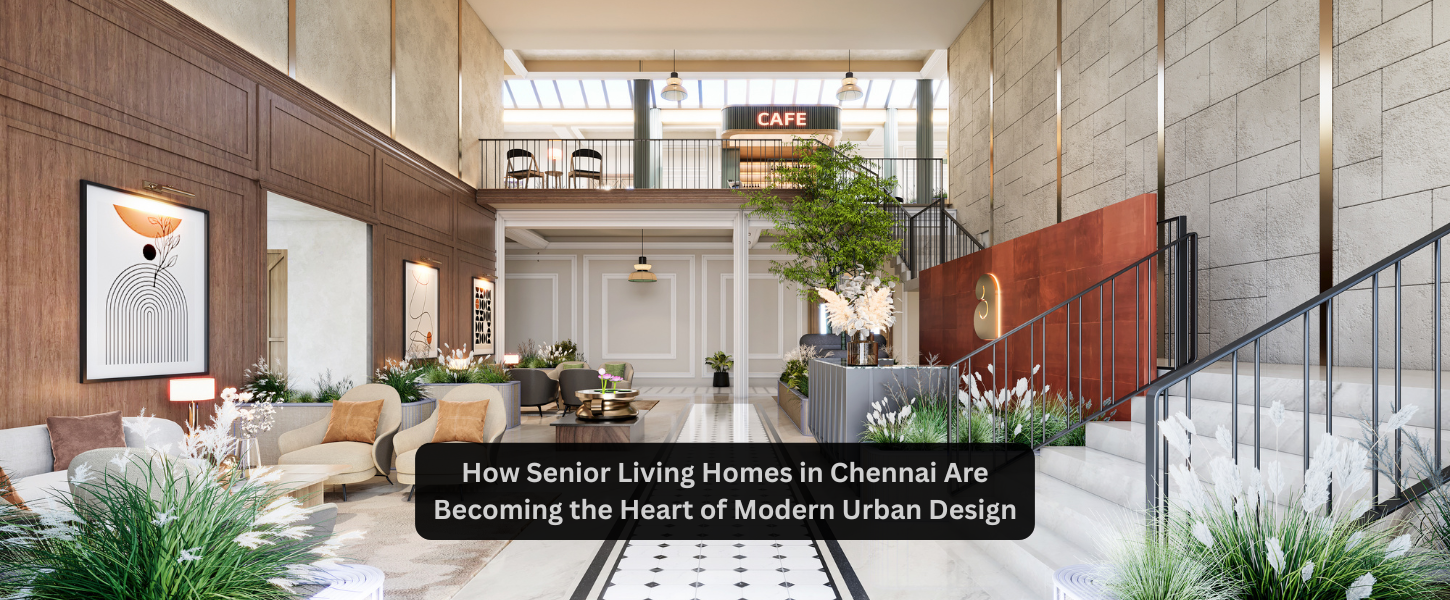

A quiet transformation is taking shape across Tamil Nadu, a state that now has the second-largest elderly population in India. As the needs of its aging citizens become more visible, the way cities respond, especially Chennai, is beginning to evolve in meaningful ways.
In Chennai, senior living communities that were once placed on the fringes or built as isolated facilities are now being thoughtfully integrated into the heart of major mixed-use townships. It is being designed as part of larger ecosystems that include schools, offices, hospitals, and contemporary residential neighborhoods for younger families.
This shift goes beyond real estate strategy. It reflects a growing recognition that seniors thrive when they remain connected to the rhythms of daily life. In many ways, it represents a new direction for modern urban design in India, one that includes older adults as an essential part of community planning.
By 2030, nearly one in five residents will be over 60, with Chennai as the epicenter of this transition. Longer lifespans, nuclear households, and children settled in other cities or abroad have created a new imperative: proximity without dependence, community without obligation, city access without urban chaos.
The market has been evolving with unprecedented speed. Chennai has seen a significant rise in large-scale senior living developments, with many new communities emerging across the metropolitan area. Notably, a majority of these projects are now being built within or alongside expansive integrated townships, reflecting a clear shift toward more holistic, self-contained living environments for seniors.
One of the strongest forces shaping this change is the evolving demographic profile. Families are smaller, life expectancy is higher, and more seniors are seeking independent, dignified living options. As urban planners and developers recognize this, senior living is no longer treated as a standalone requirement. Instead, it is becoming an important part of city planning, influencing how new communities are designed from the ground up.
Ref: https://timesofindia.indiatimes.com/city/chennai/elderly-population-up-tamil-nadu-has-second-highest/articleshow/85358197.cms
Traditionally, retirement homes in Chennai were placed in quiet outskirts, far from the city’s core. While peaceful, these locations often lacked access to:
Today, that thinking has changed. Senior living communities are finding their place inside large, well-planned townships across major growth corridors such as OMR, ECR, GST Road, and Oragadam. They are no longer isolated pockets but well-integrated parts of master plans that bring together residential, commercial, healthcare, educational, and recreational spaces.
At Ashiana, we believe location plays a vital role in shaping lifestyle quality. This is why Ashiana Swarang is strategically located on the ECR corridor, one of Chennai’s most connected and rapidly developing zones. Its placement ensures that seniors have easy access to healthcare, recreation, shopping, and multi-generational community spaces. Instead of being isolated, residents enjoy the convenience and comfort of living within a thriving urban ecosystem while still experiencing the peace and security of a dedicated senior-friendly environment.
As healthcare becomes a central pillar of senior well-being, developers are aligning senior communities with medical infrastructure. Many emerging projects are designed with:
This is not just about convenience. It is about giving seniors and their families peace of mind, knowing support is always within reach.
Senior living design in Chennai is evolving toward global standards. Modern communities now prioritize:
The physical design reflects a deep respect for how seniors want to live: independently, safely, and with freedom.
One of the strongest focuses of modern senior living communities is on the rich social environment they create. These communities are designed to bring people together, encouraging seniors to step out, interact, and participate rather than remain confined to isolated routines. With thoughtfully planned common spaces and engaging daily programming, seniors find it easier to connect with others who share similar interests and life experiences.
A wide array of cultural events, hobby clubs, skill-based workshops, and group activities ensures that every day offers something meaningful to look forward to. Whether it’s an art session, a music gathering, a festive celebration, or a fitness class, these experiences provide opportunities for bonding, learning, and rediscovering long-held passions. Regular interactions with younger families, visiting children, and the broader community add an intergenerational warmth that many seniors deeply cherish.
This steady rhythm of social engagement plays a vital role in supporting emotional and mental well-being. Staying connected helps reduce feelings of loneliness, keeps the mind active, and fosters a sense of purpose. For many seniors, these communities offer not just a place to live, but a vibrant social ecosystem that enriches daily life and strengthens the feeling of belonging.
At its core, this shift reflects a broader cultural change. Chennai is moving toward an urban design model that values every generation. Senior living is a central part of how the city imagines its future: modern, efficient, inclusive, and humane.
As Chennai continues to grow, its approach to senior living is setting an example for cities across India. It shows that true urban progress comes not just from smarter buildings and infrastructure, but from creating environments where people of all ages can thrive.
Join 1000+ of fellow readers. Get expert real estate knowledge straight to your inbox absolutely free. Just enter your email address below.


Leave a Reply